What Sponge City Thinking Means for Indian Urban Development
21 March 2026
What Sponge City Thinking Means for Indian Urban Development
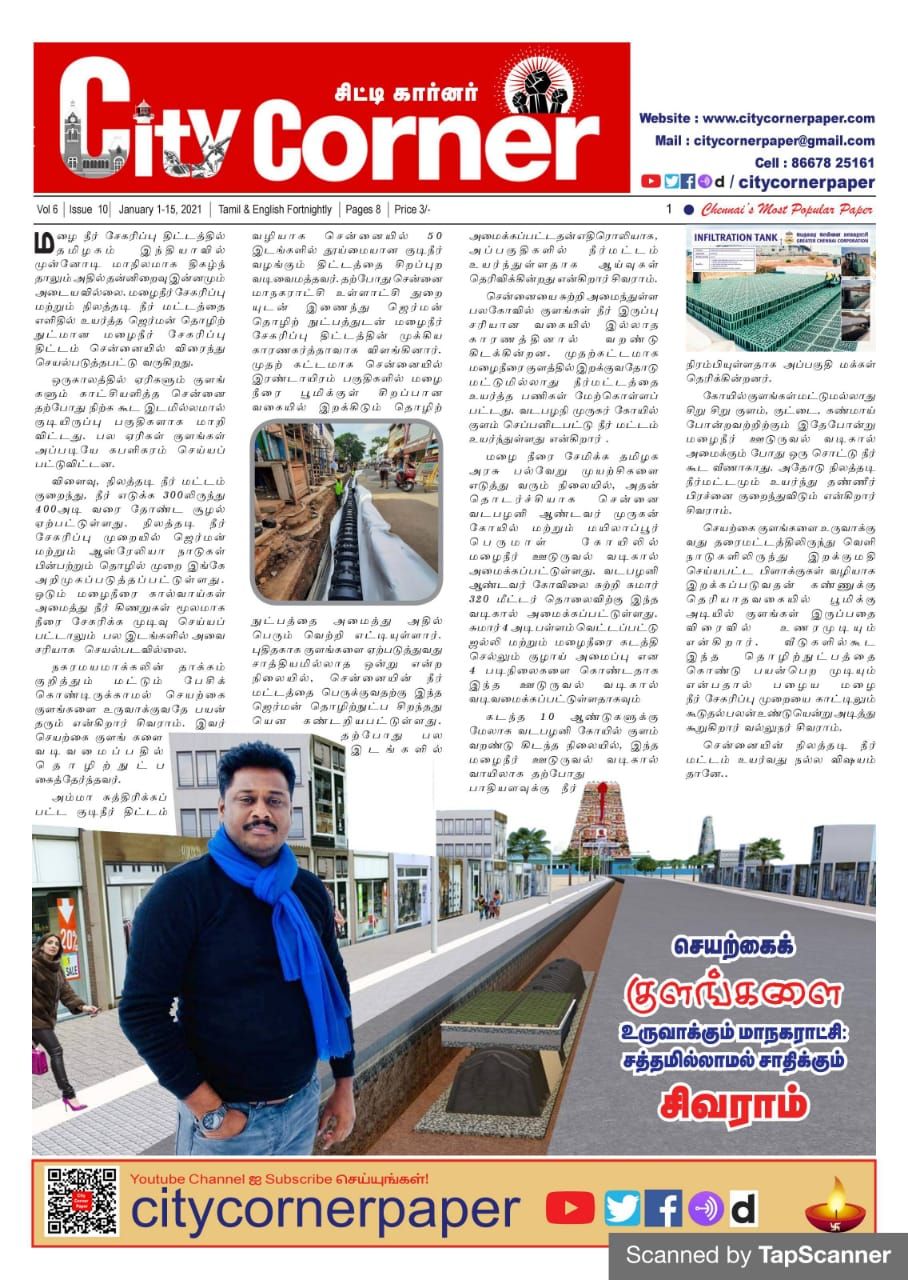
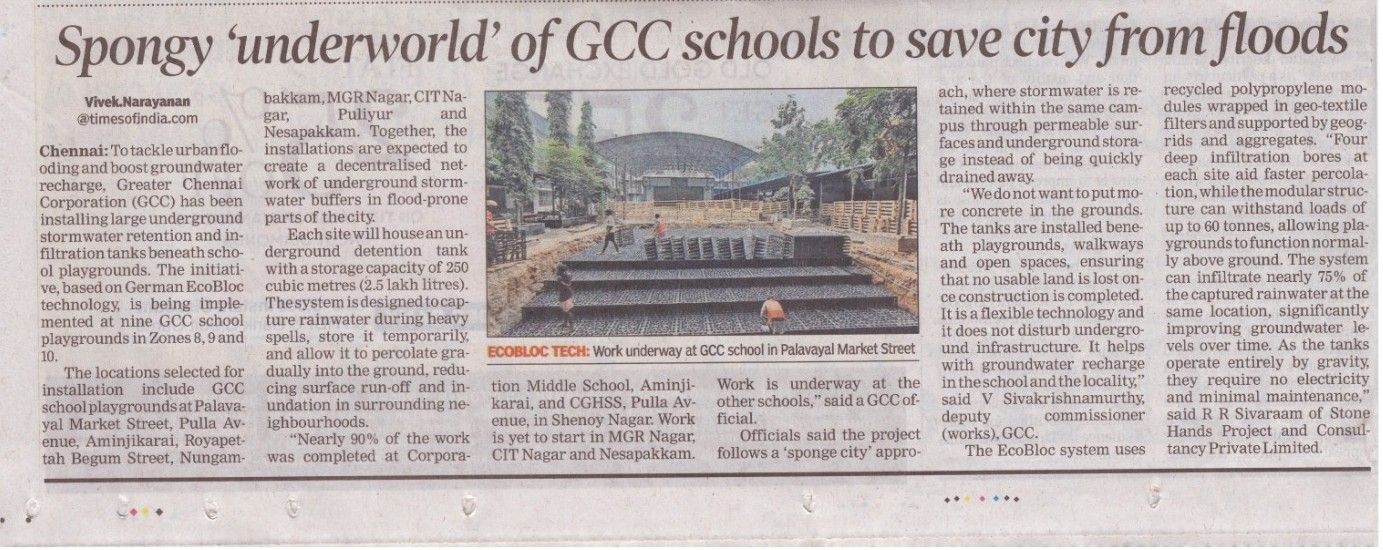
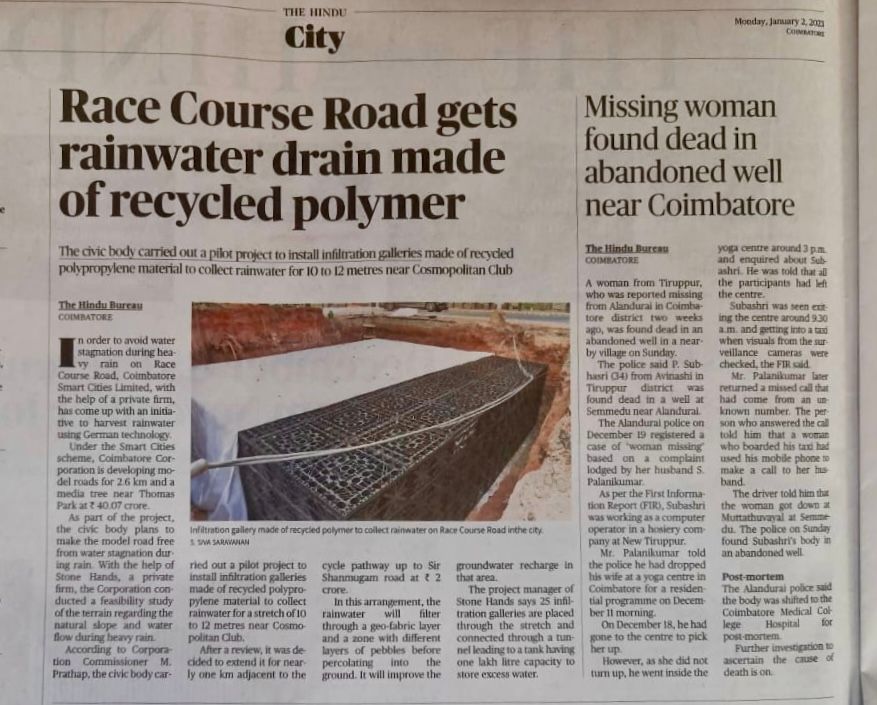
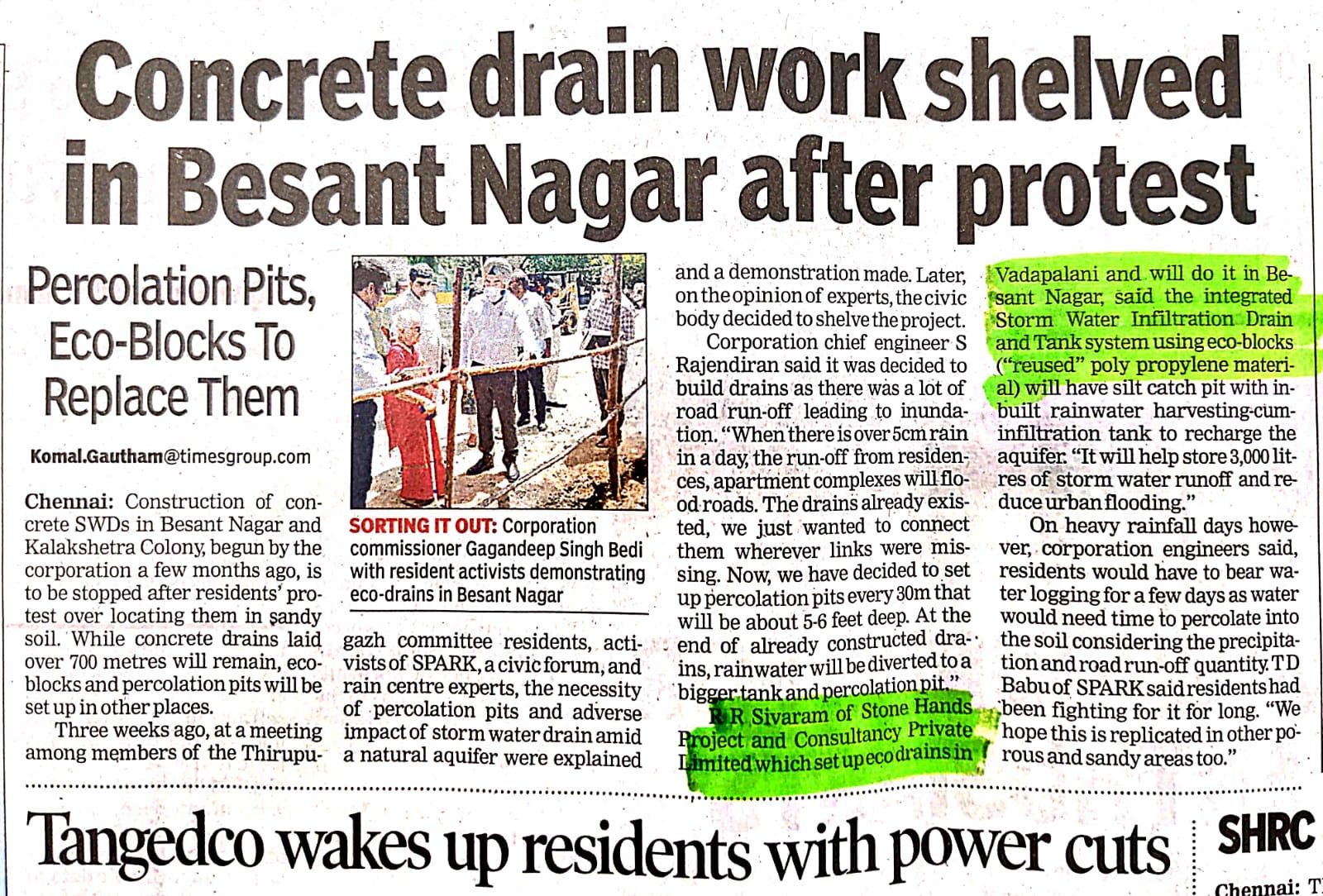
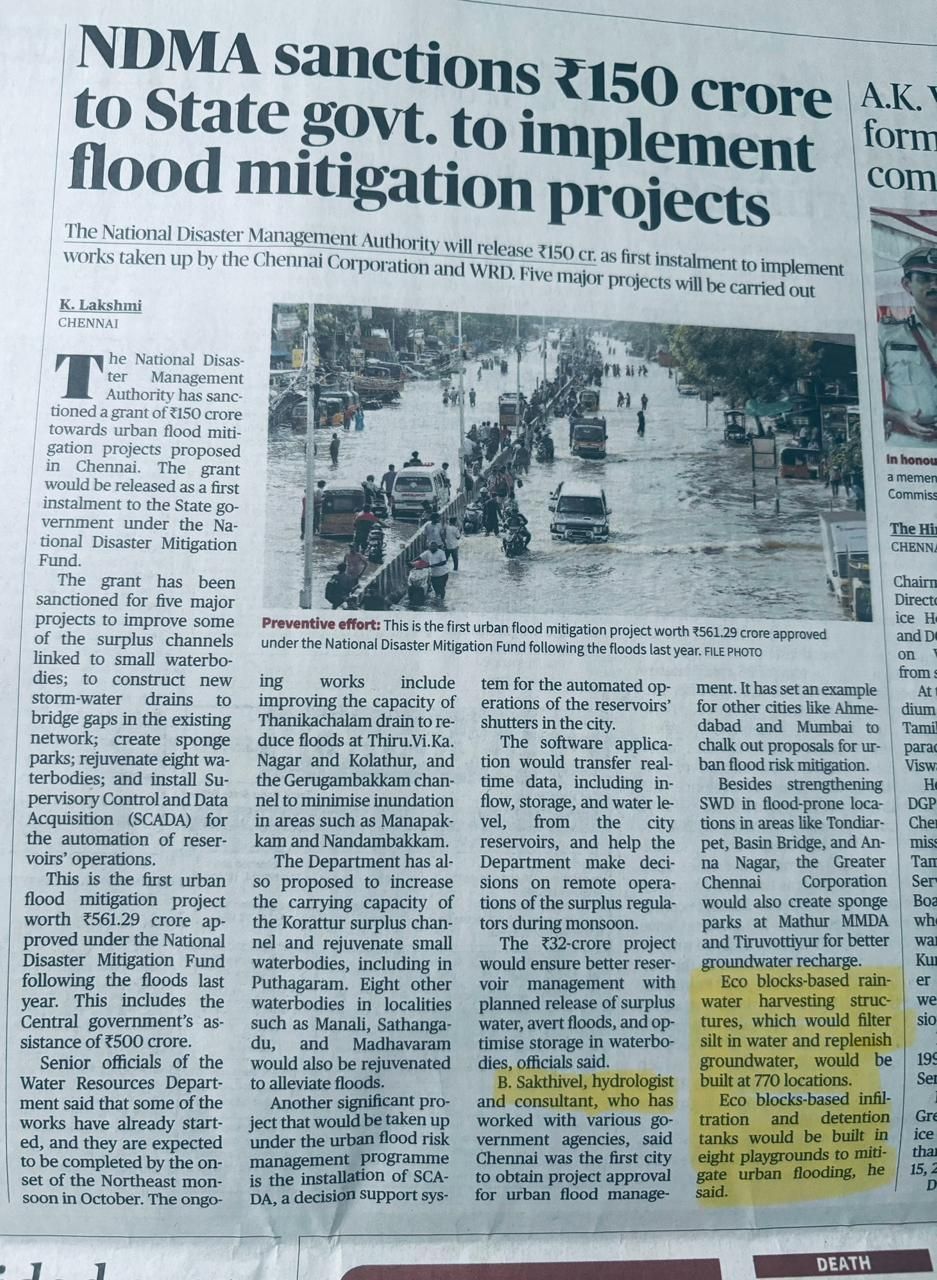
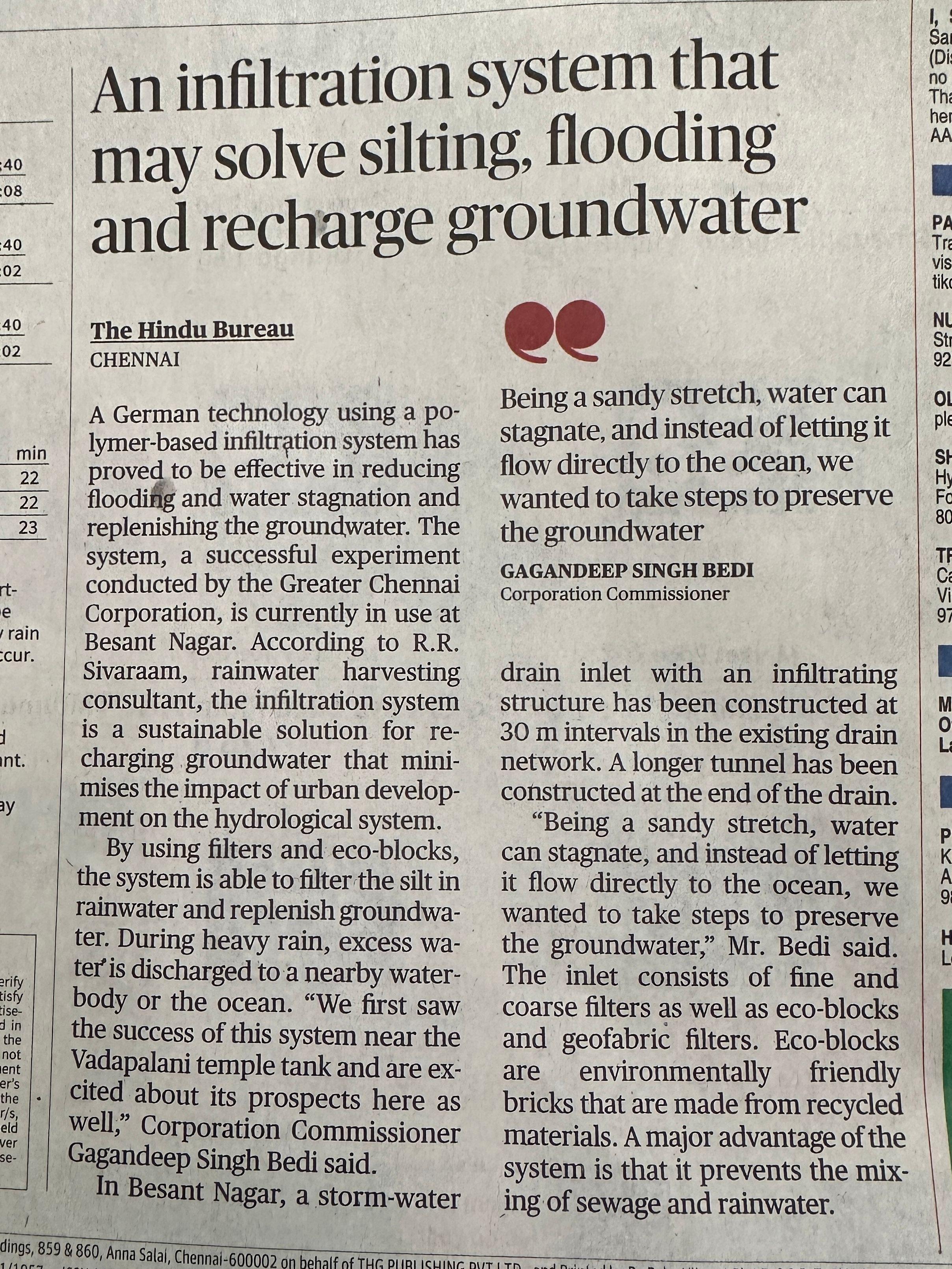
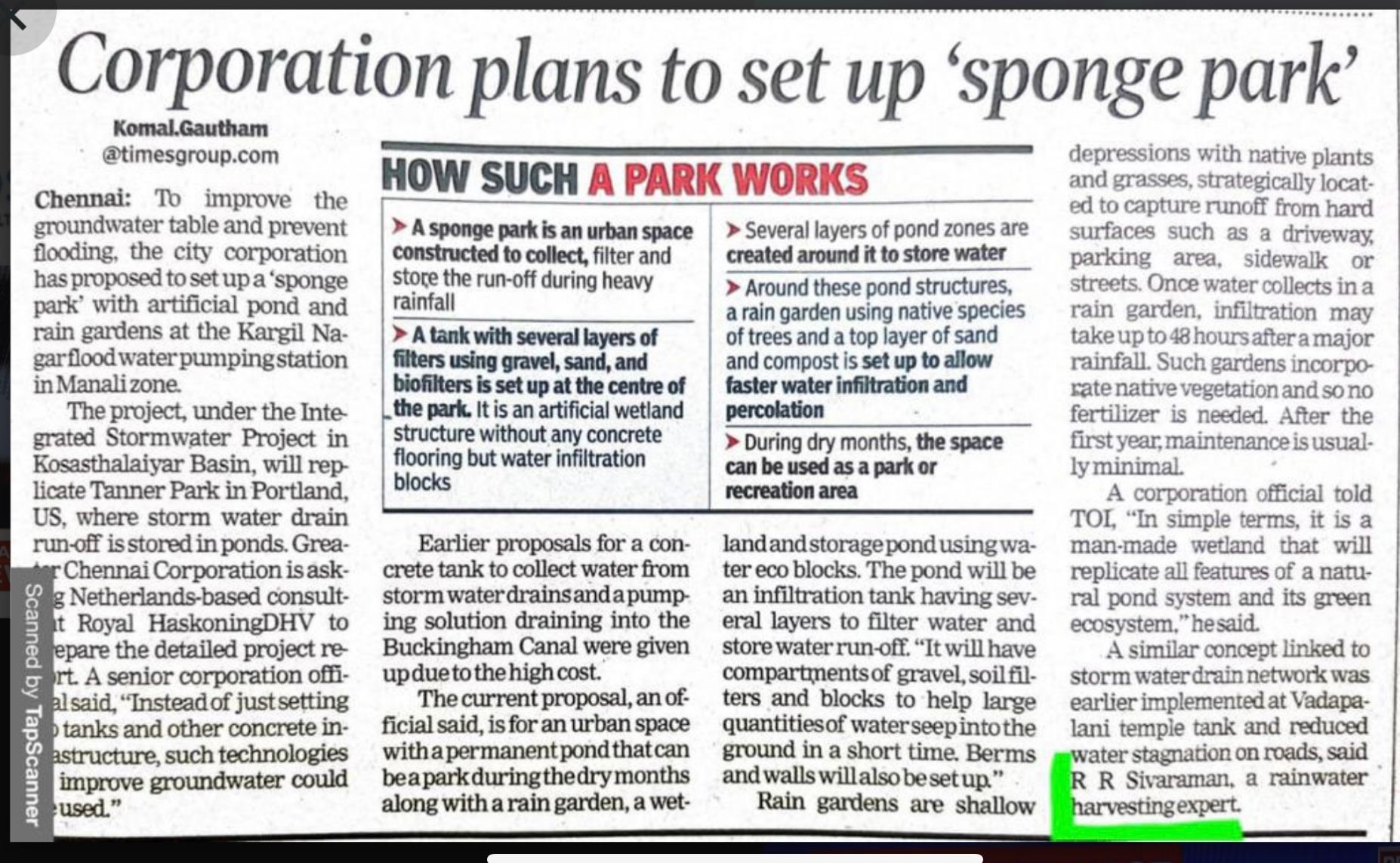
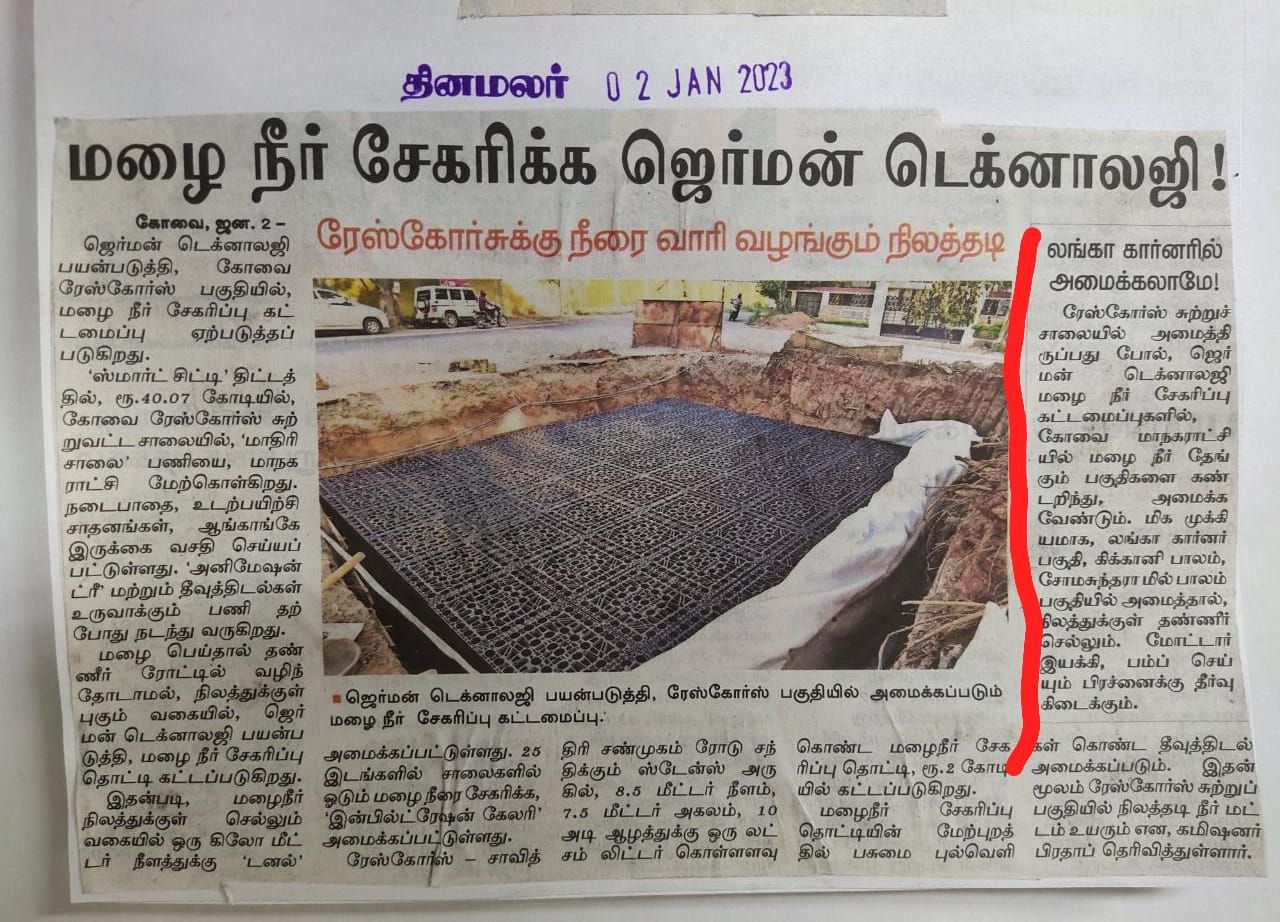
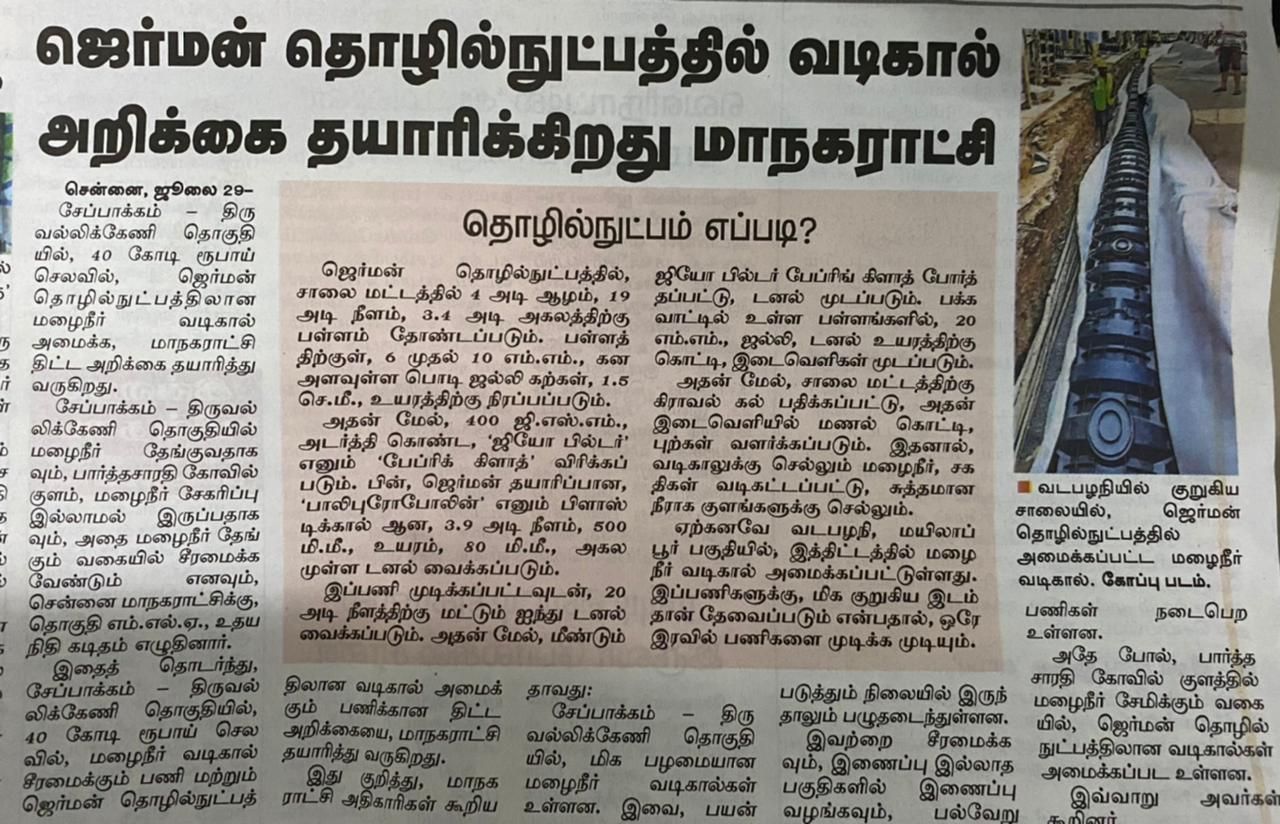
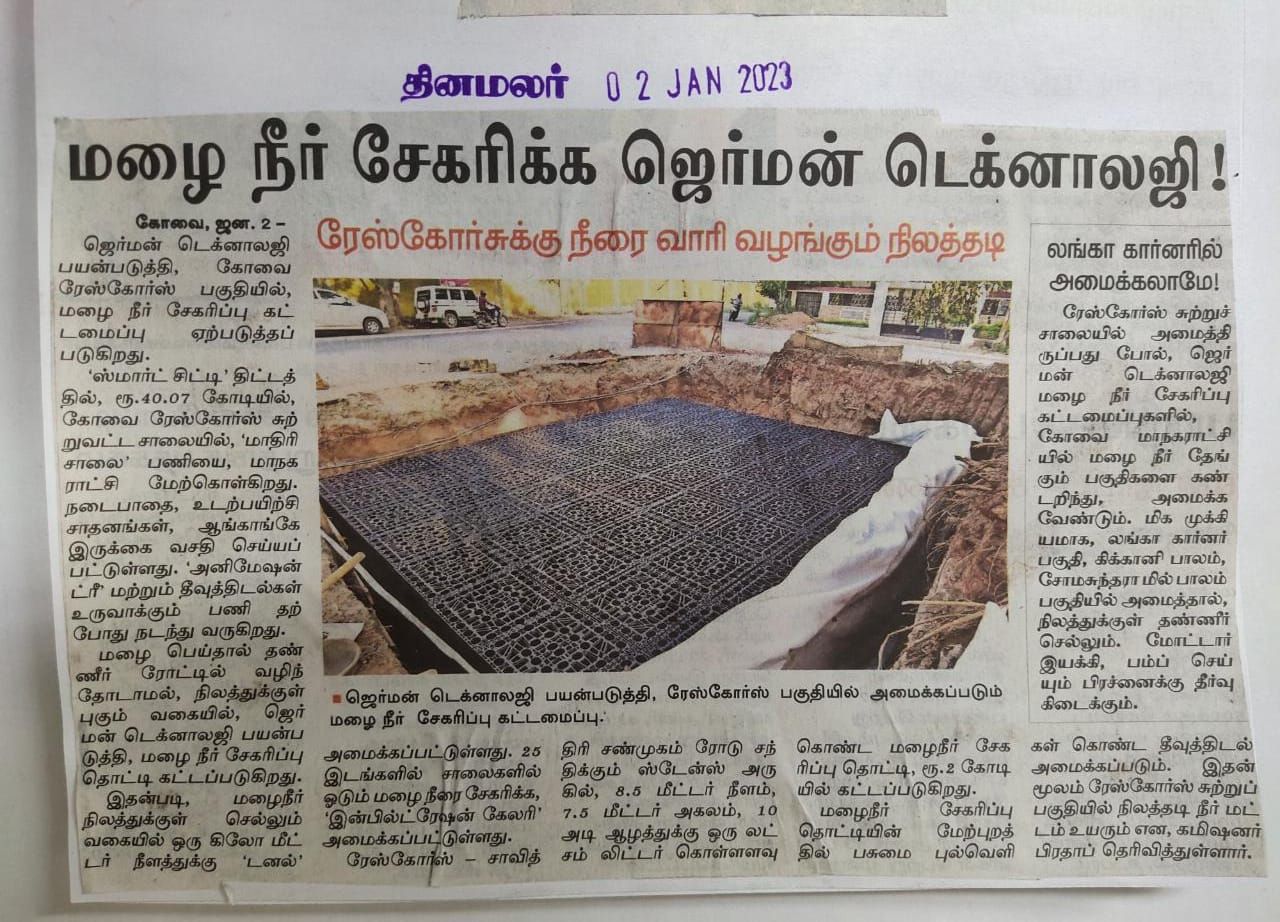
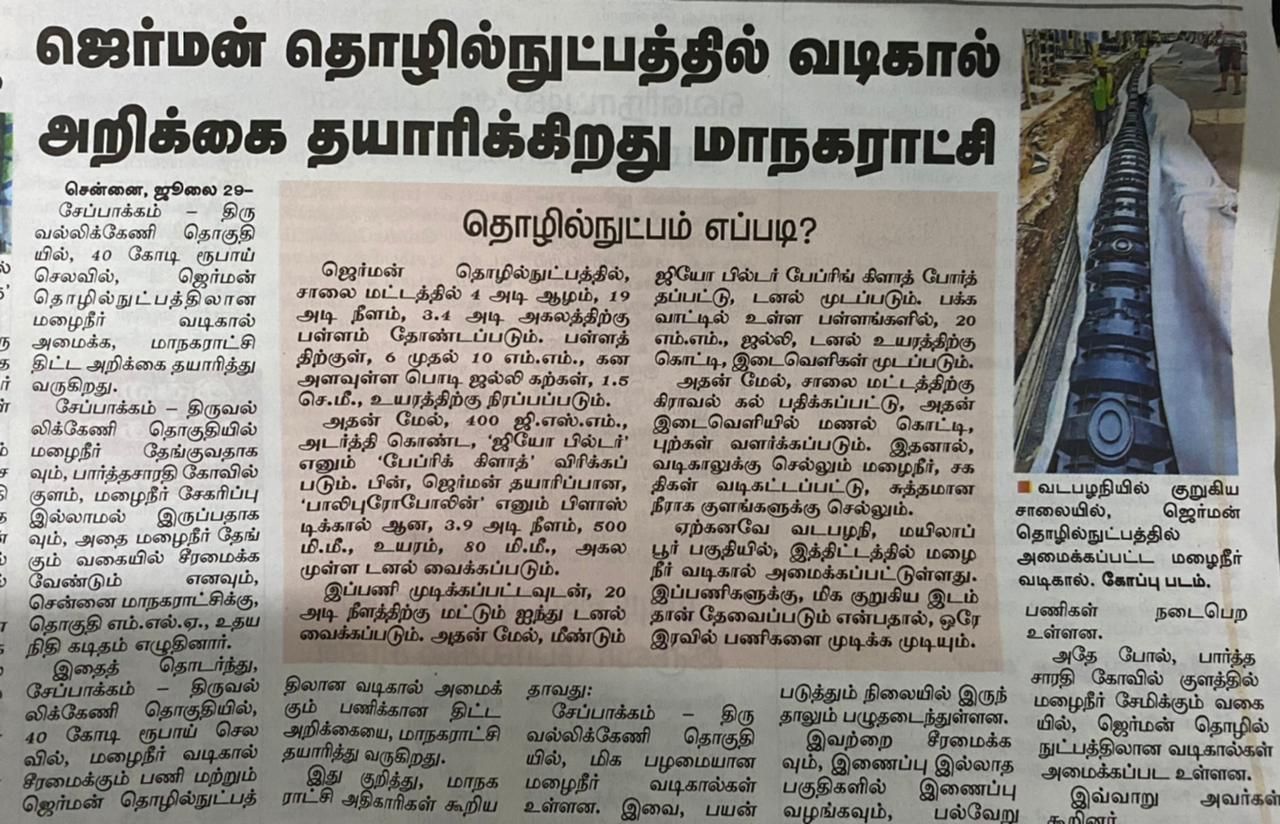
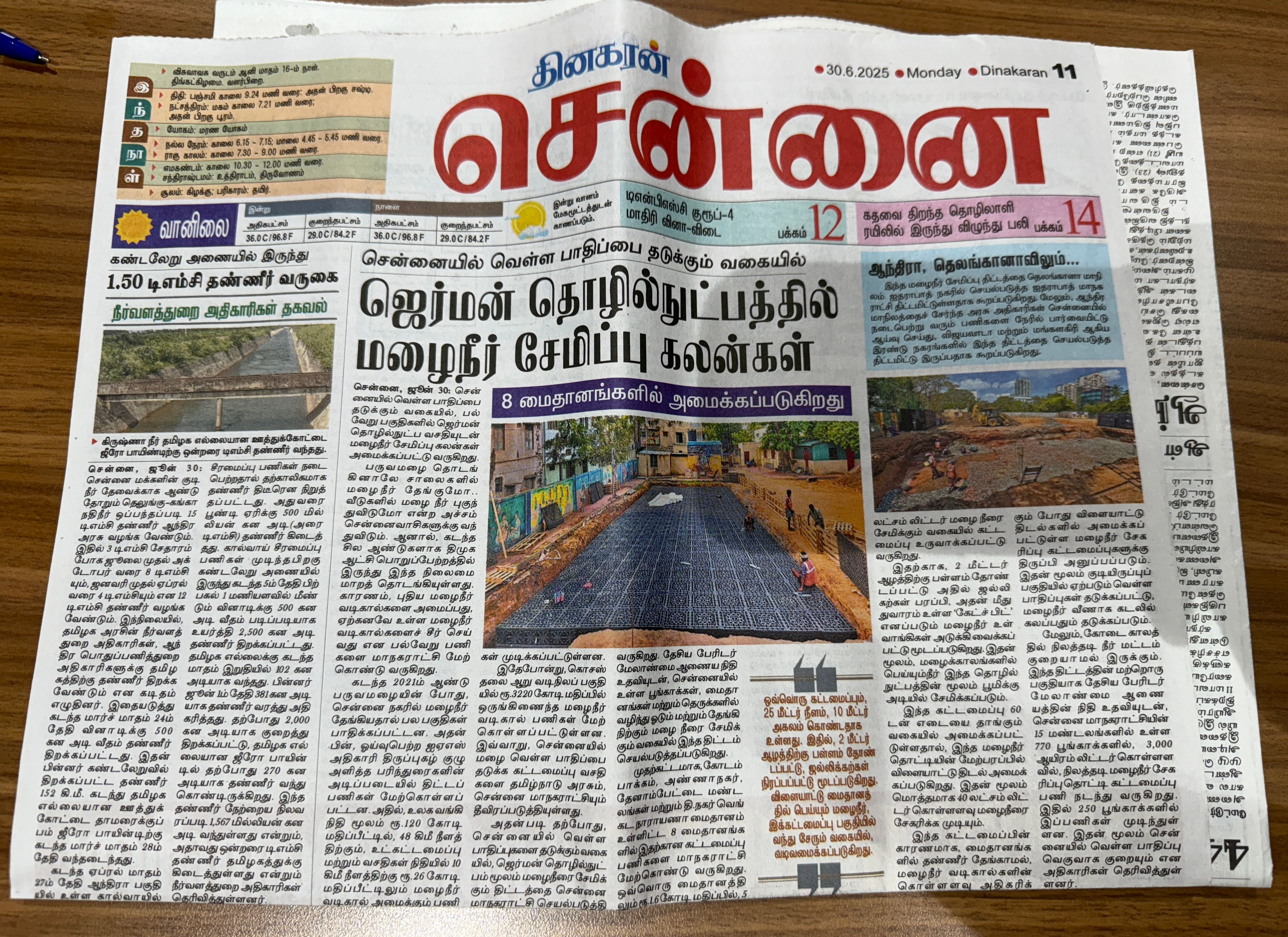
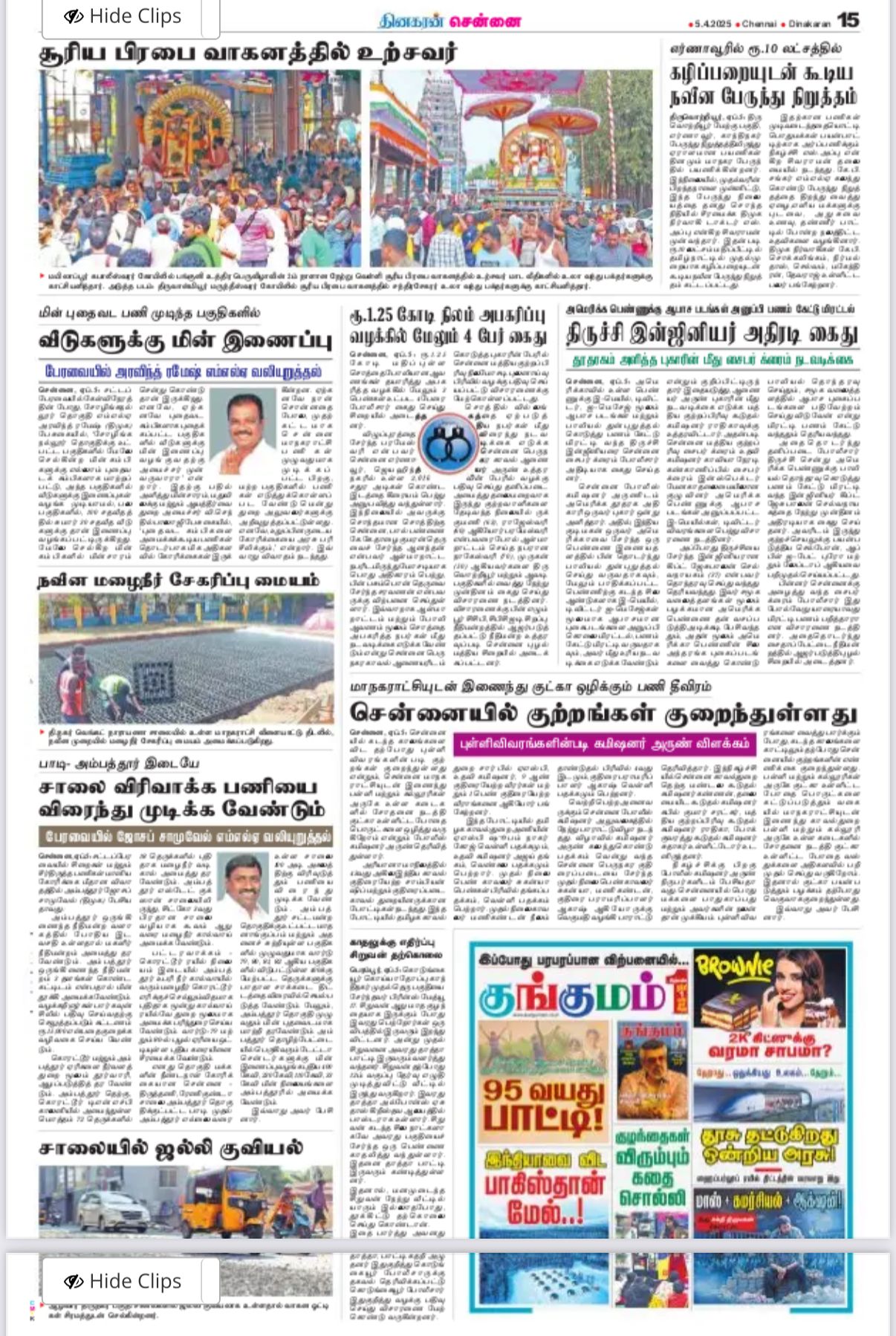
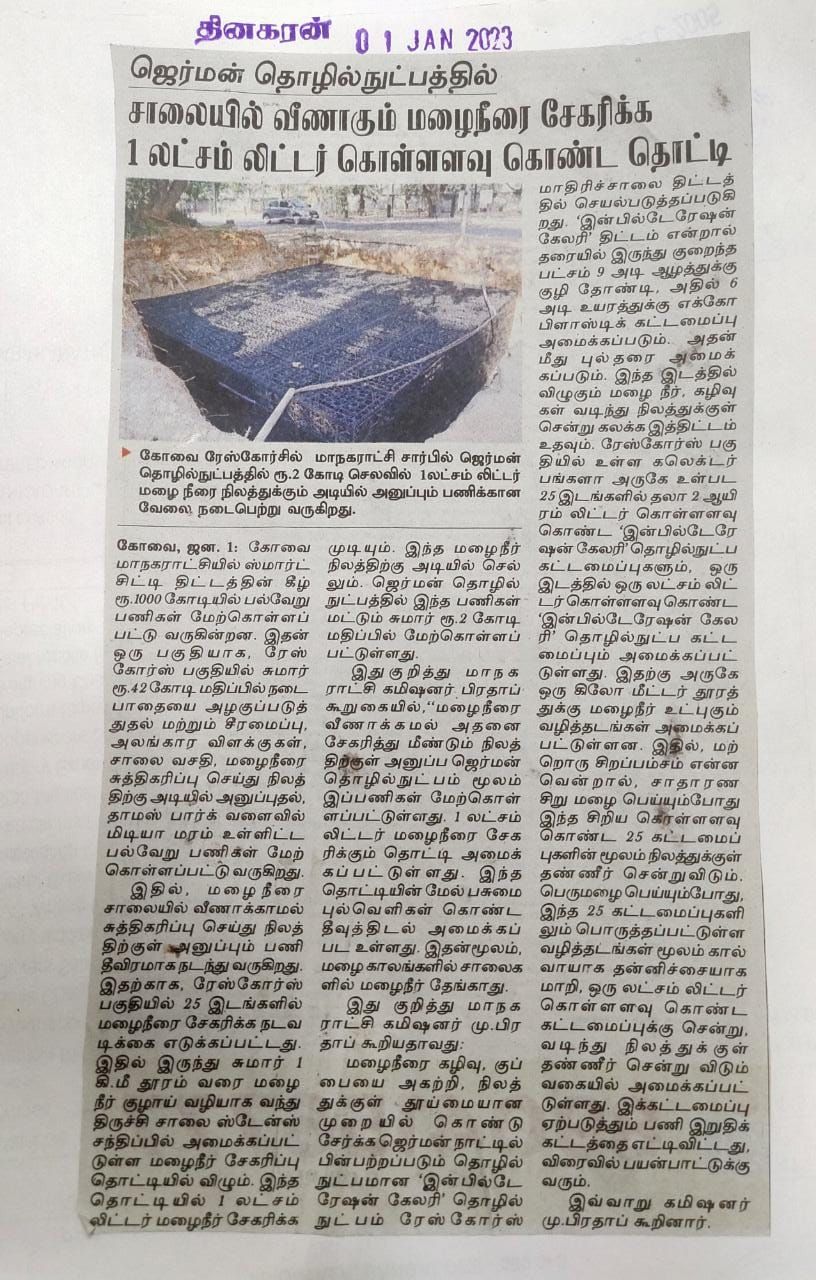
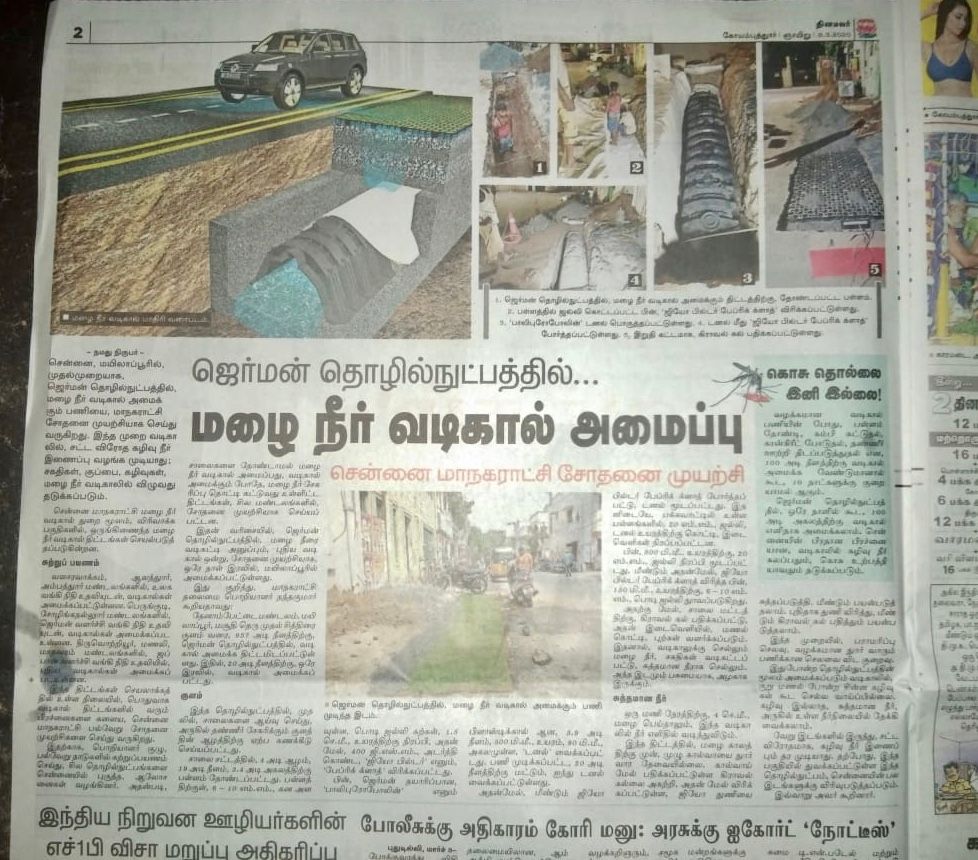
India adds roughly 30 million urban residents every year. Each new road, building, and parking lot converts permeable land into hard surface. Without a fundamental rethink of how cities manage water, this growth will produce more floods, deeper water shortages, and accelerating groundwater depletion. Sponge City Solutions India is not a government slogan — it is a functional infrastructure approach being deployed right now in Chennai and increasingly relevant for every Indian city. Stone Hands has been implementing German-engineered Sponge City infrastructure using Eco Bloc modular systems for over a decade and has been providing solutions for the Sponge Park Programme of the Greater Chennai Corporation.
The Problem — India's Cities Are Waterproof in the Wrong Way
Indian cities face a striking paradox: they flood in the monsoon and run dry in summer. The cause is the same — impervious surfaces that block the natural water cycle. Before urbanisation, Indian landscapes absorbed 30–50% of rainfall into the ground, feeding aquifers through dry seasons. Post-urbanisation, the same land sheds almost all its rainfall as runoff within minutes. The Central Ground Water Board reports over 60% of India's groundwater assessment units are in semi-critical, critical, or overexploited condition.
The Concept — What Sponge City Actually Means
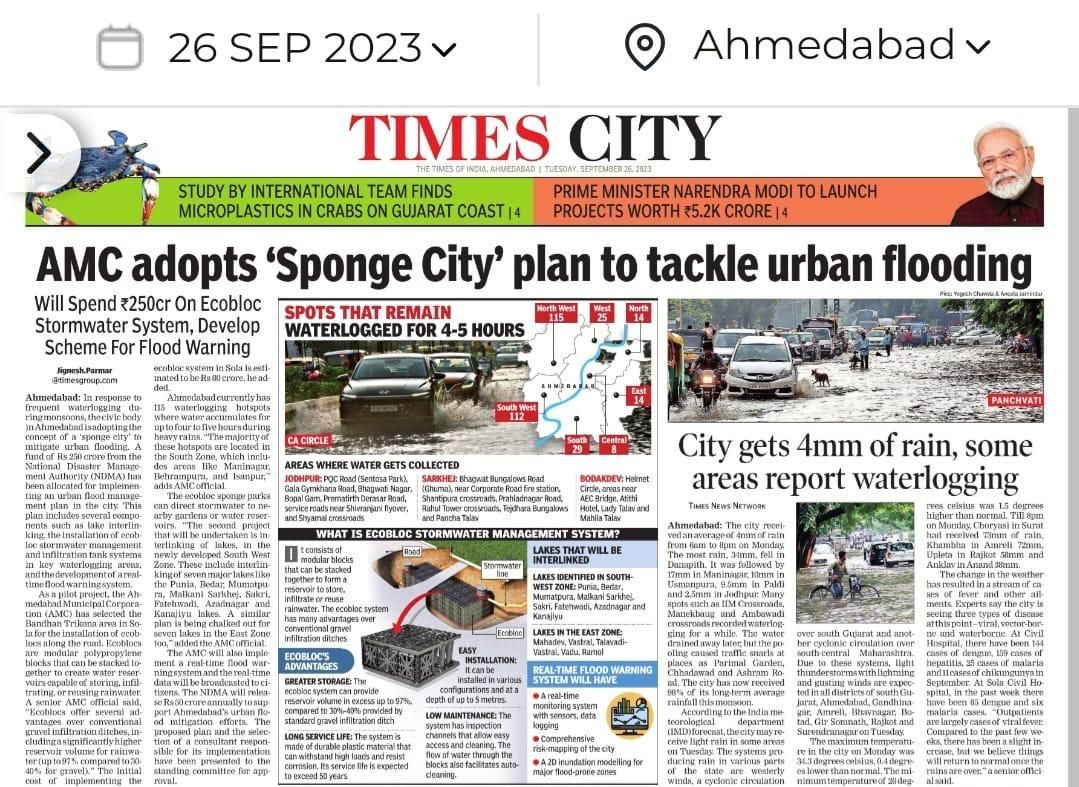
The Sponge City concept originates in Chinese urban planning policy (2013–14) and closely relates to the UK's SuDS, the US Low Impact Development model, and Australia's Water Sensitive Urban Design. All share one core principle: manage stormwater at source, not downstream.
A city functioning as a sponge:
• Absorbs rainfall through permeable surfaces — pavements, parks, open ground
• Stores excess in subsurface systems during peak rainfall
• Infiltrates stored water gradually into soil and aquifer
• Only releases excess to drains after storm volume is attenuated
The Technology — Eco Bloc Modular Systems
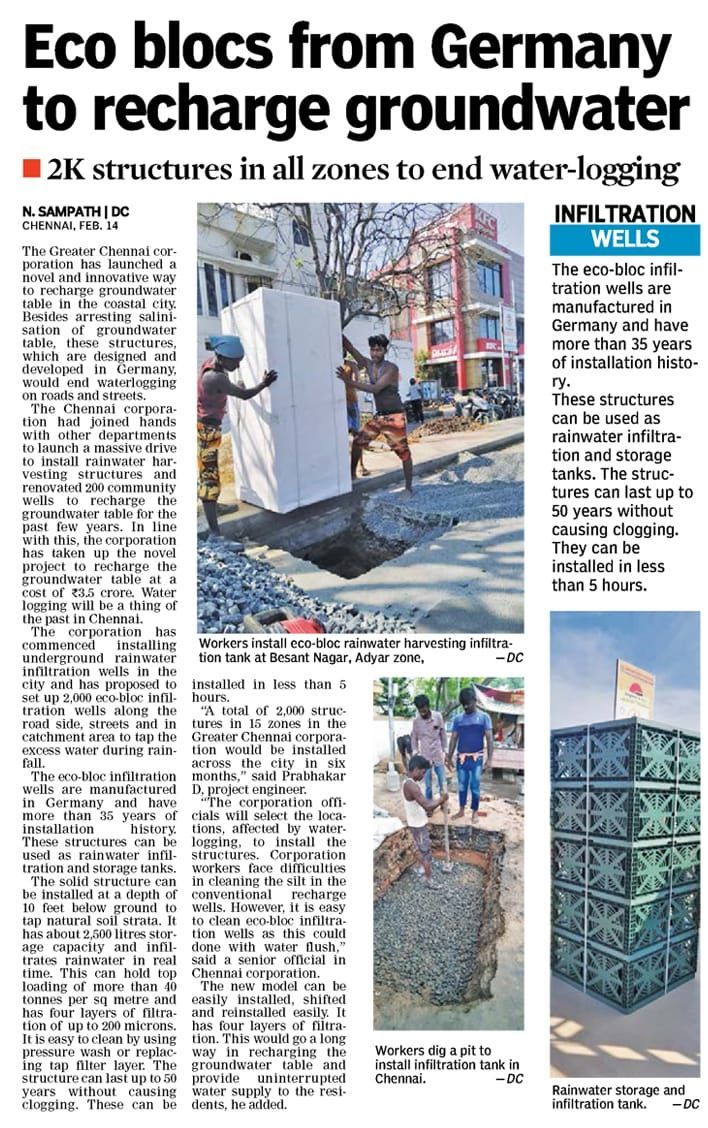
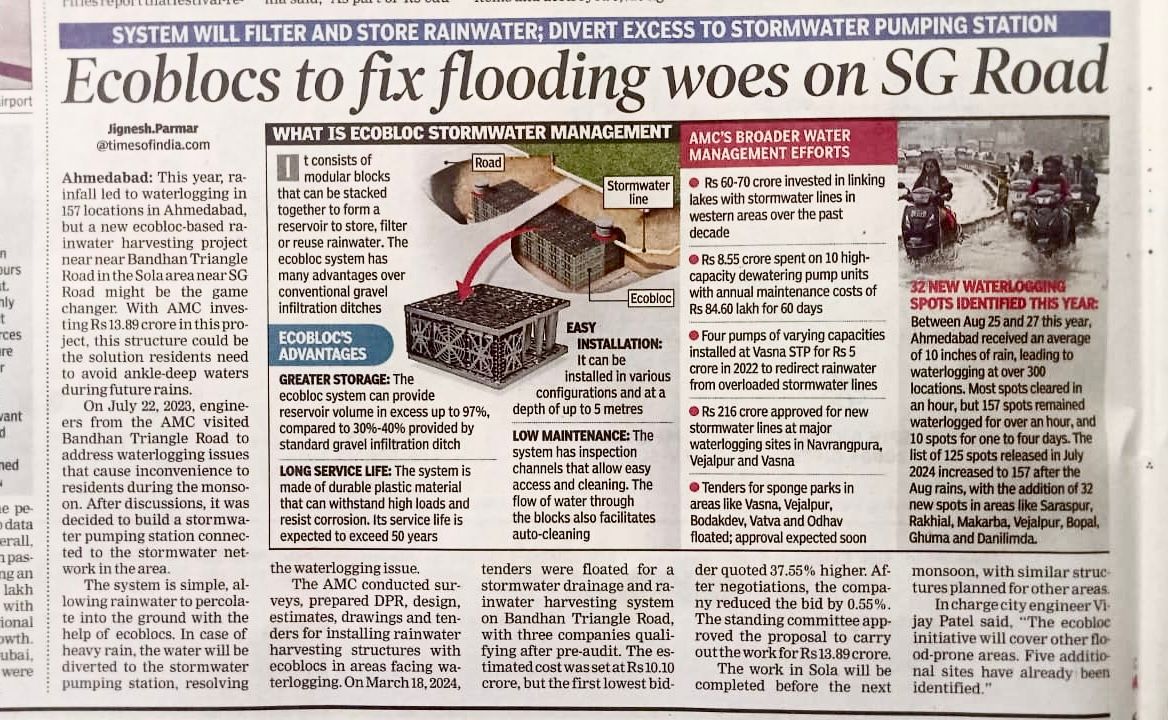
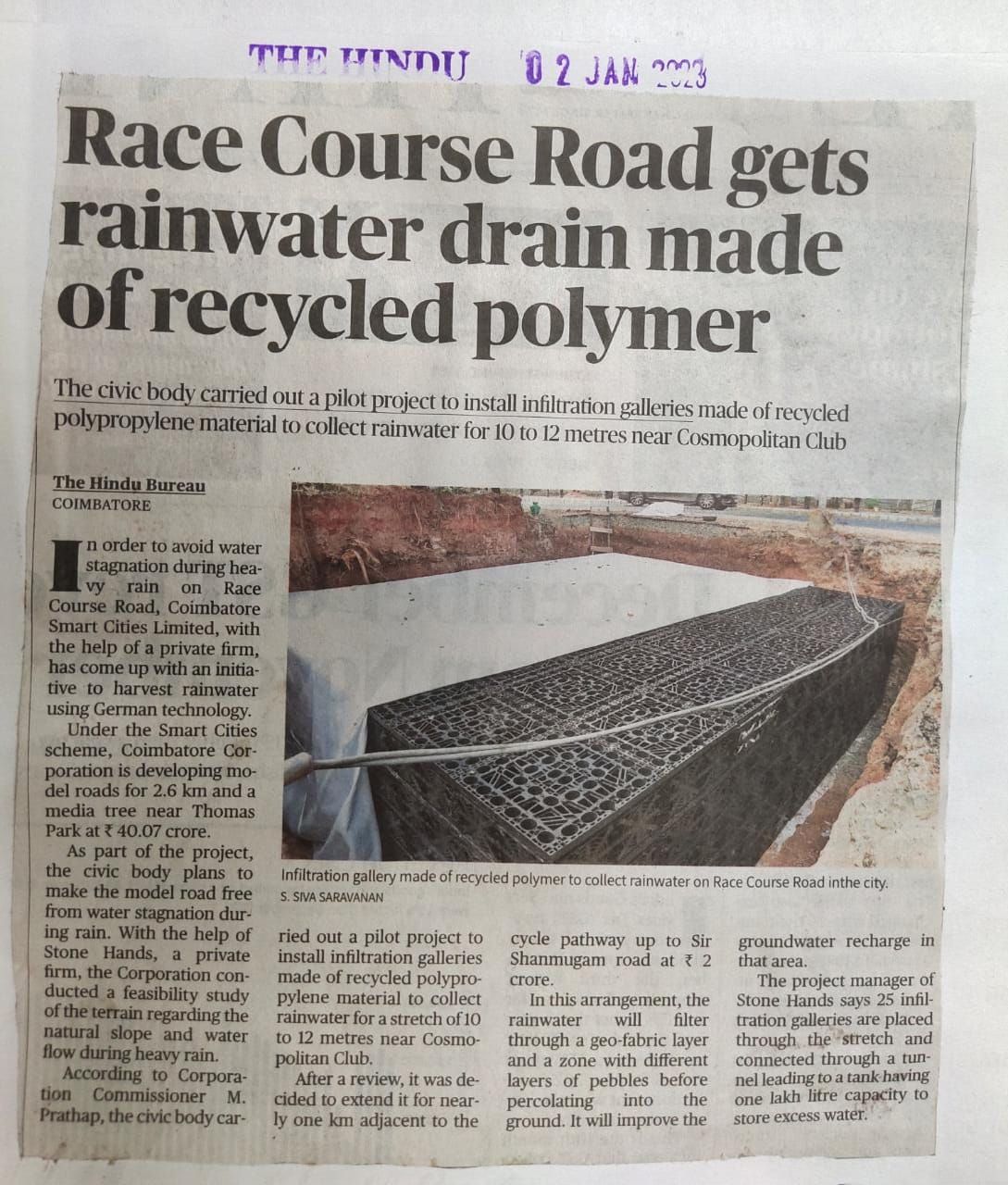
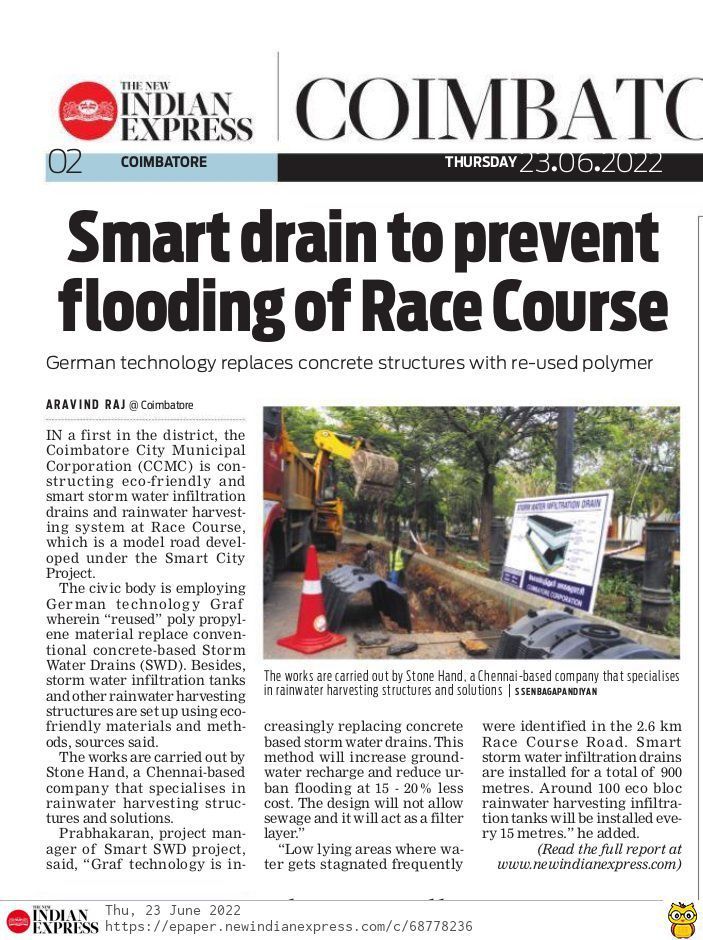
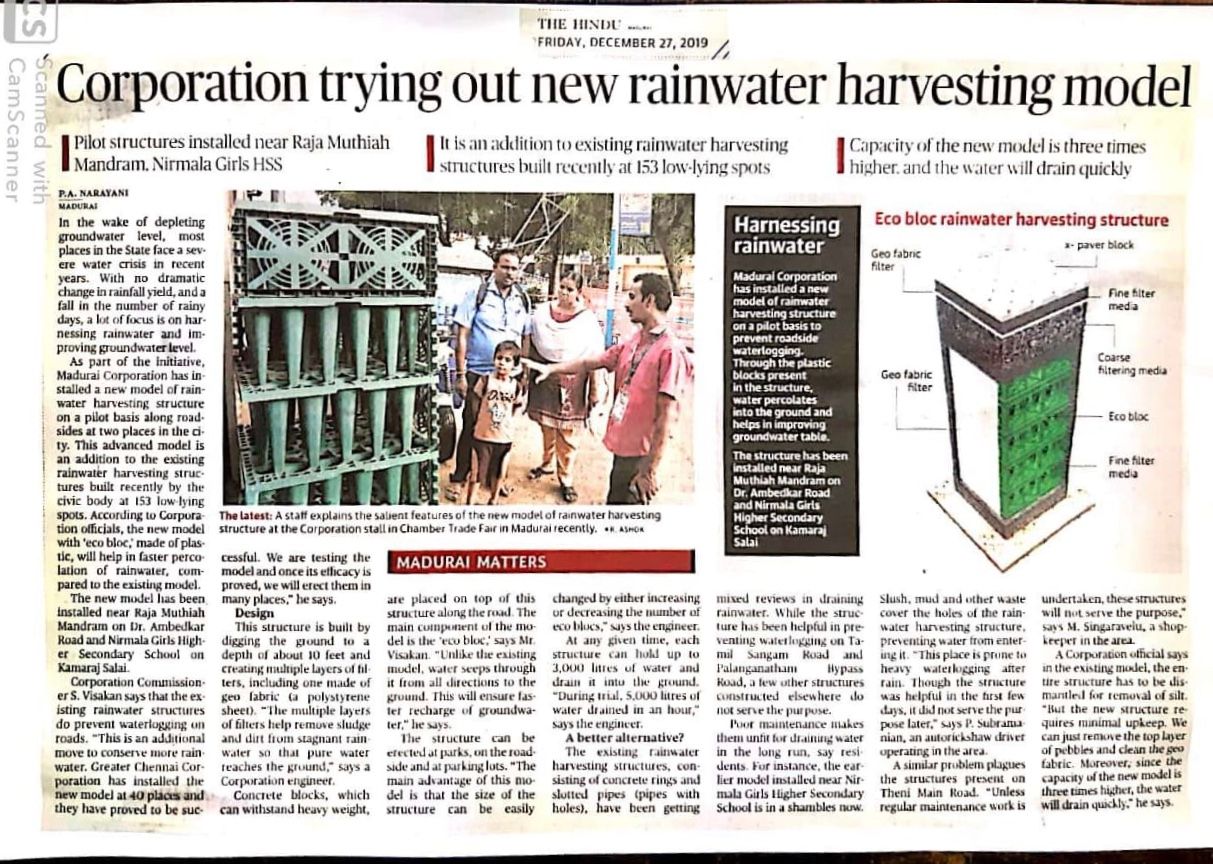
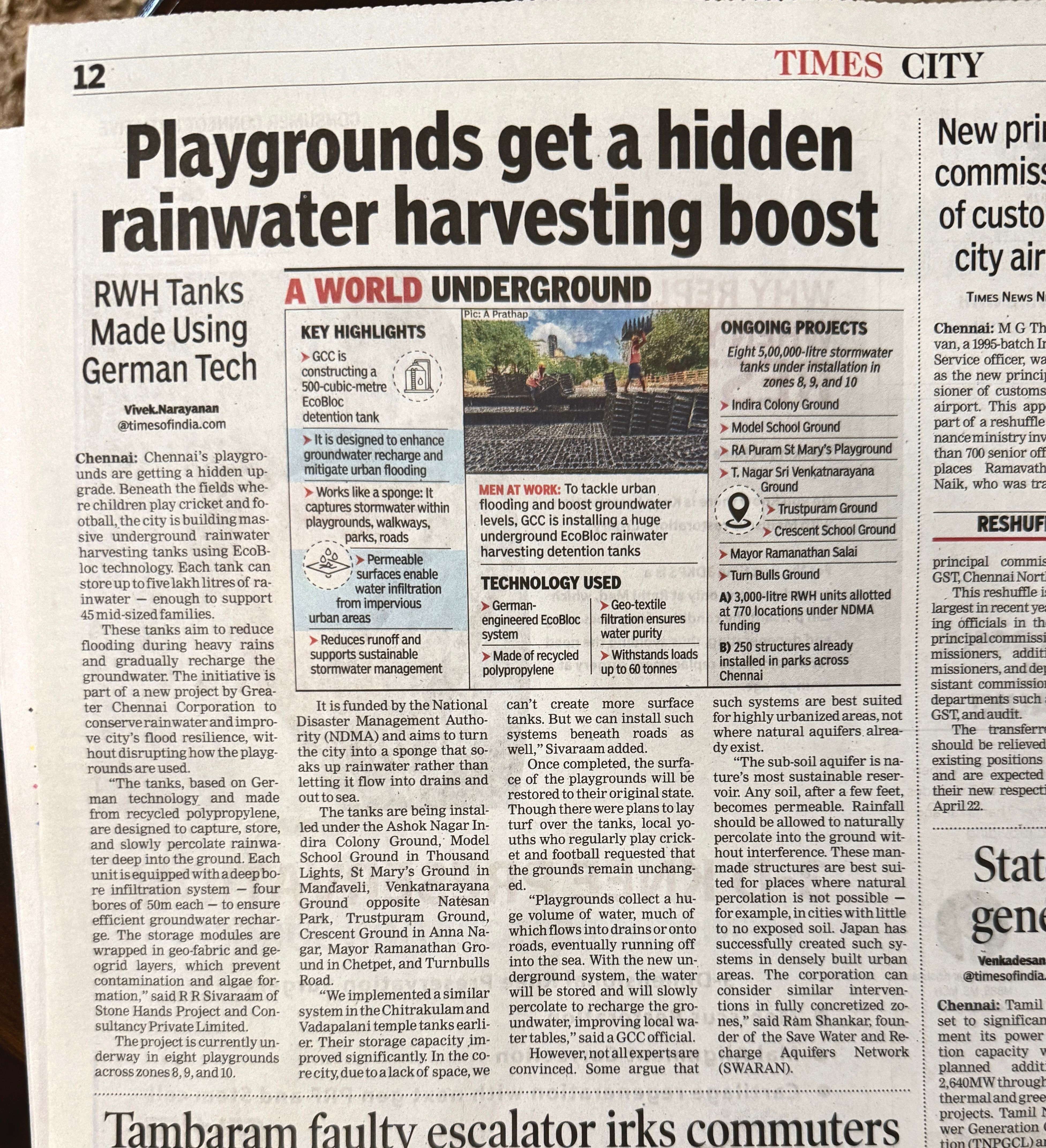
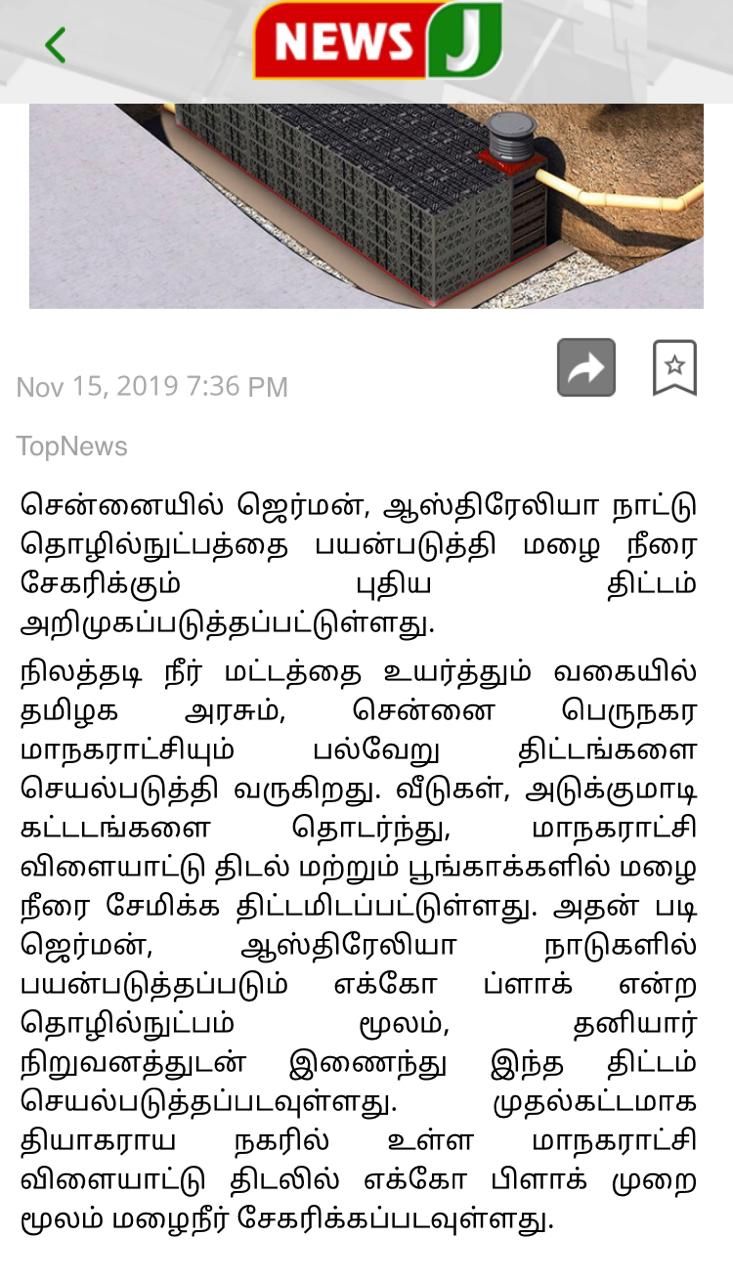
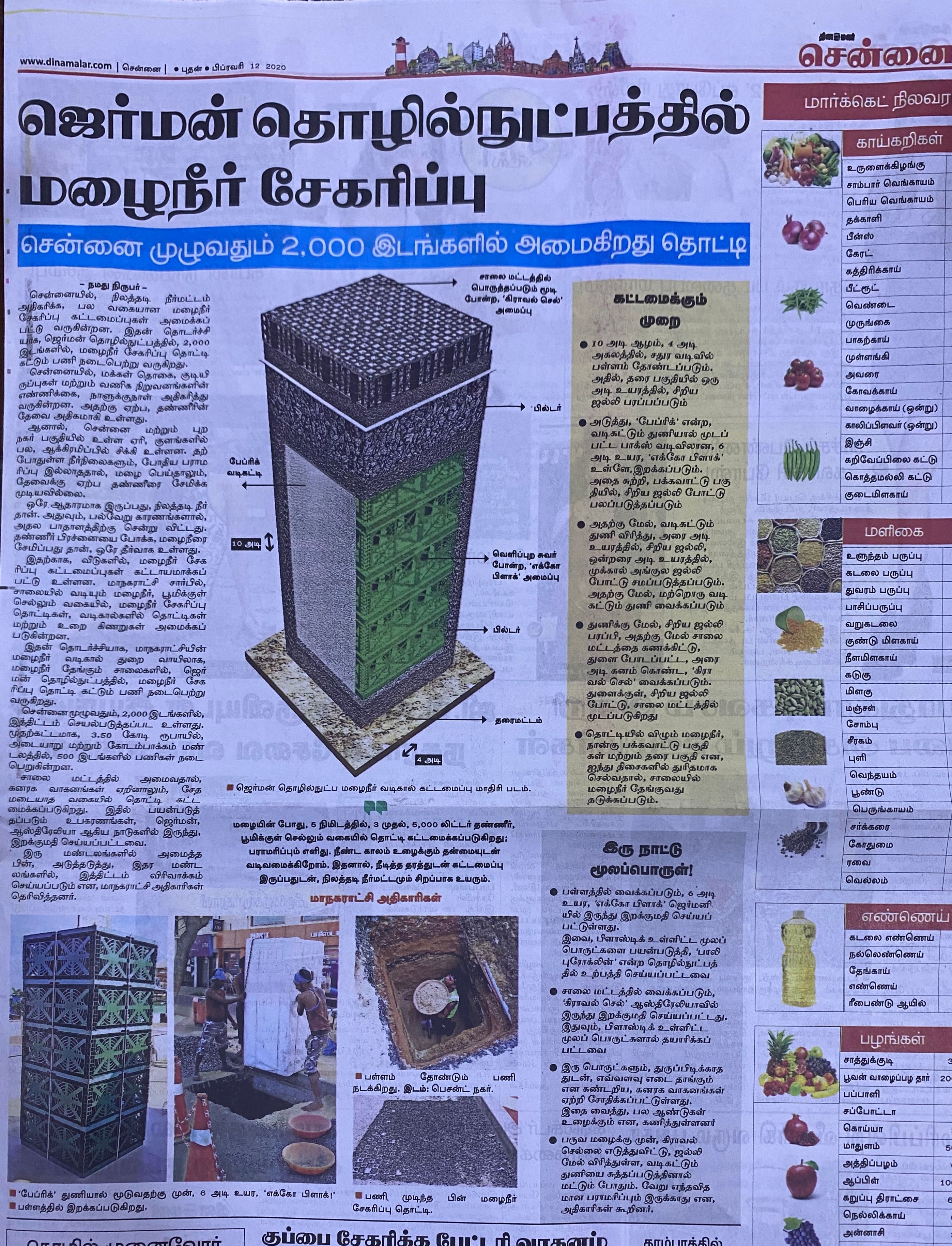
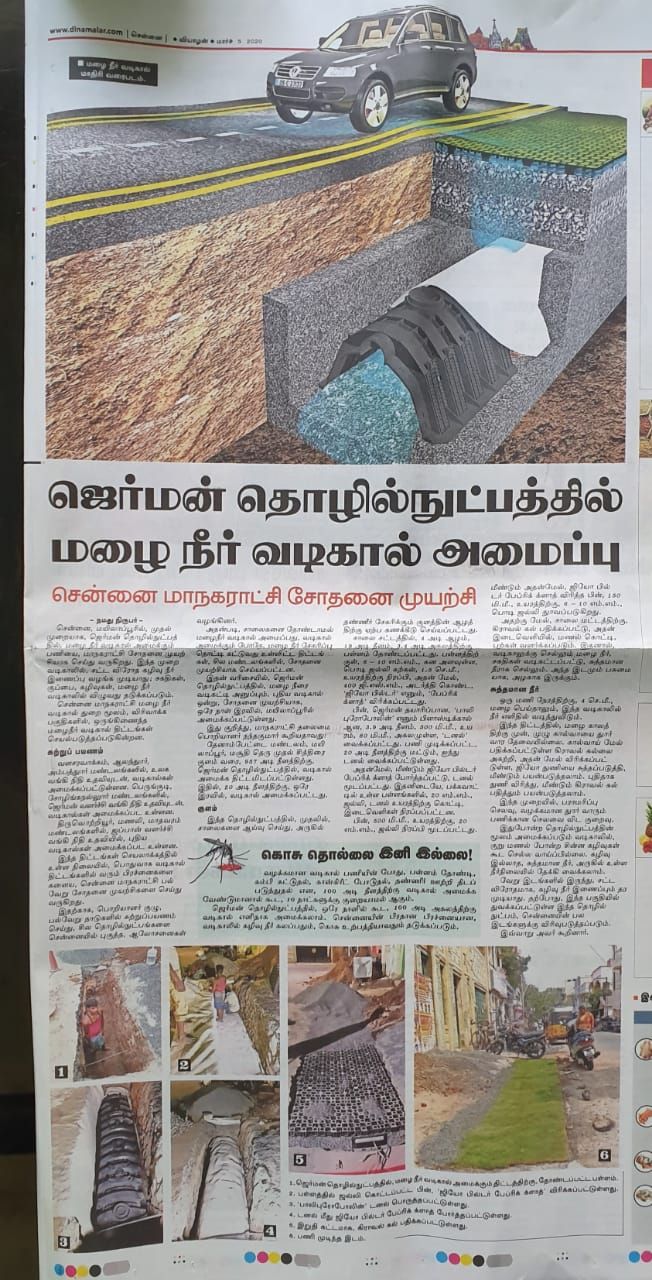
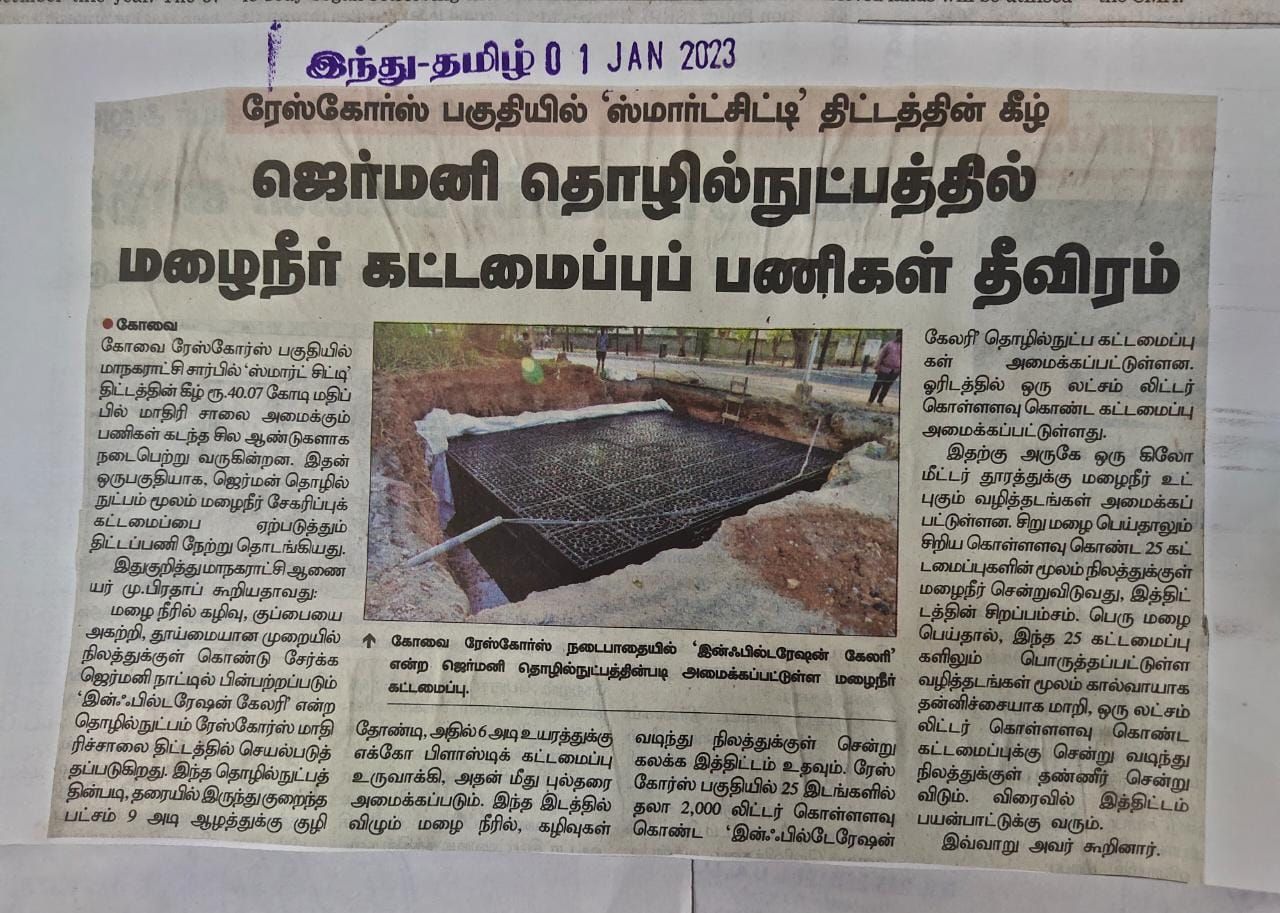
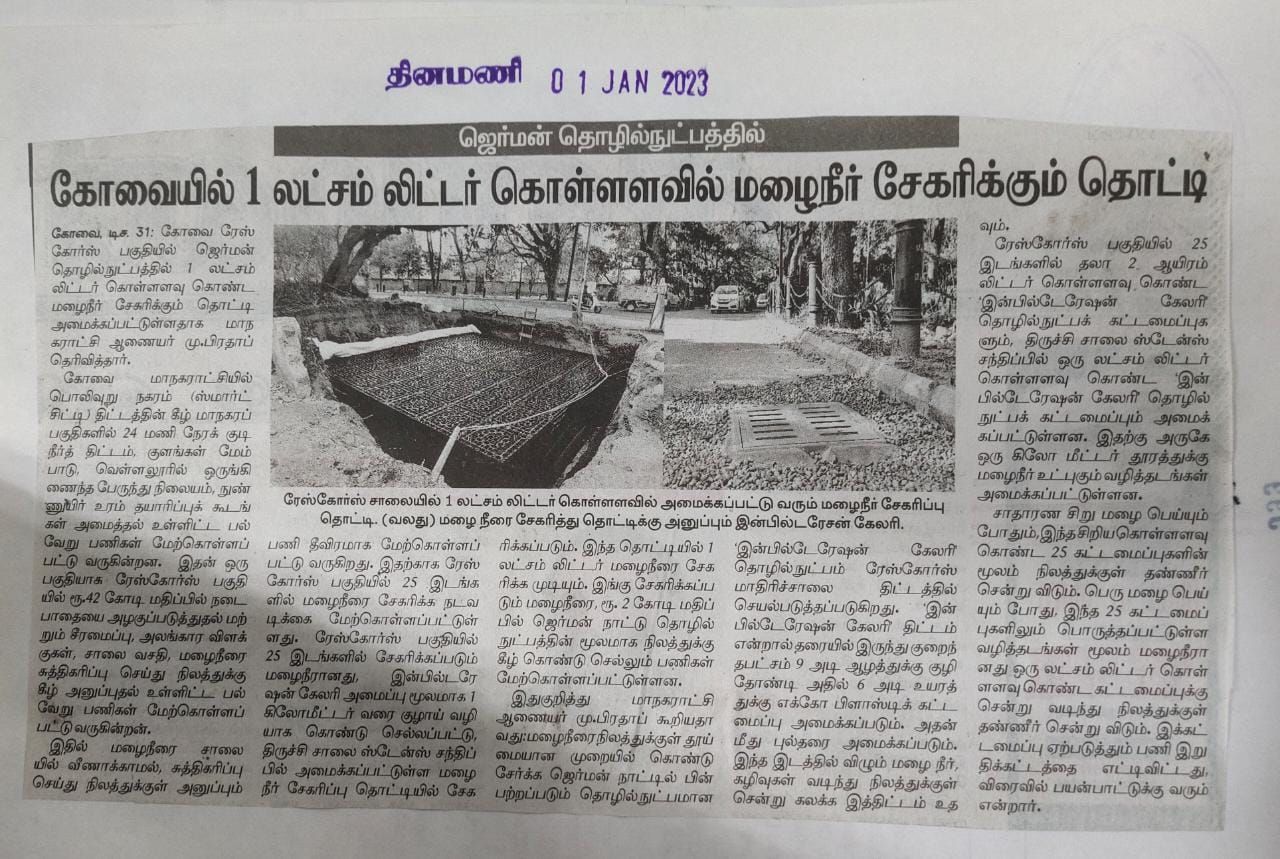
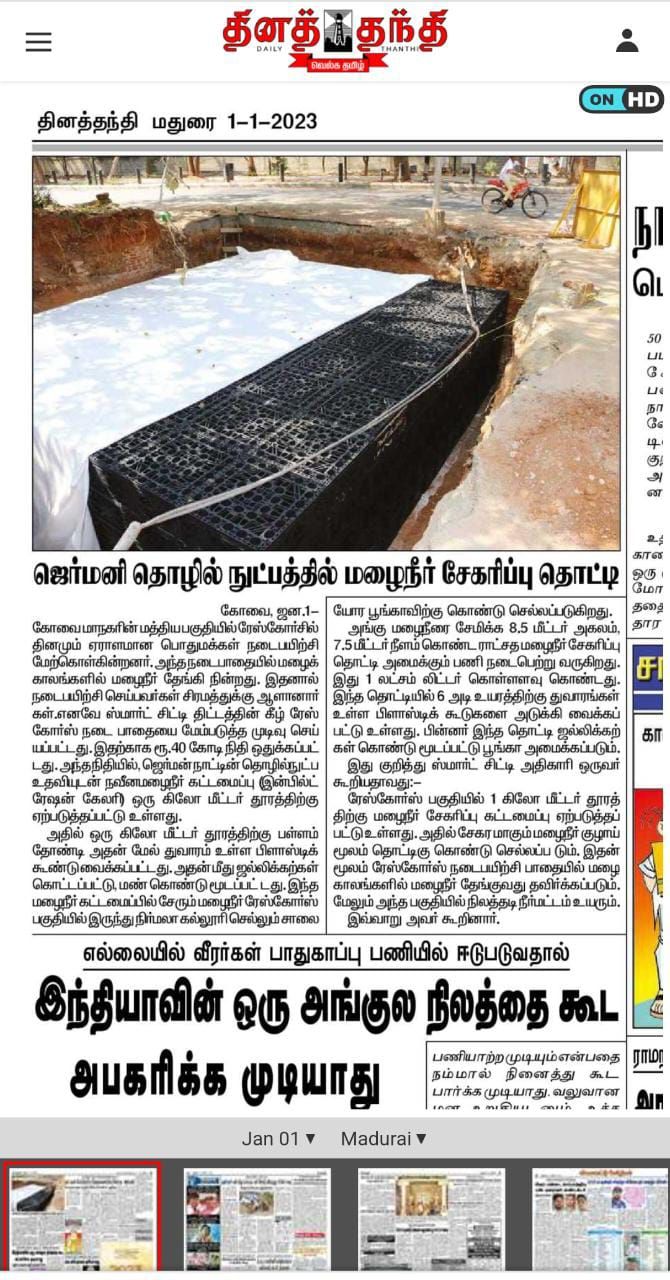
Stone Hands implements Sponge City solutions in India using recycled polypropylene modular Eco Bloc units manufactured to German engineering standards.
Why Eco Bloc beats traditional alternatives:
• 95% void ratio — stores nearly 3× more water per cubic metre than gravel
• 60-ton load capacity — installable beneath roads and traffic areas
• Scalable — units interlock to any required storage volume
• Corrosion-resistant — no degradation from acidic urban runoff
• 50+ year lifecycle, minimal maintenance, zero surface footprint
https://stonehands.in/solutions
Applications in Indian Urban Development
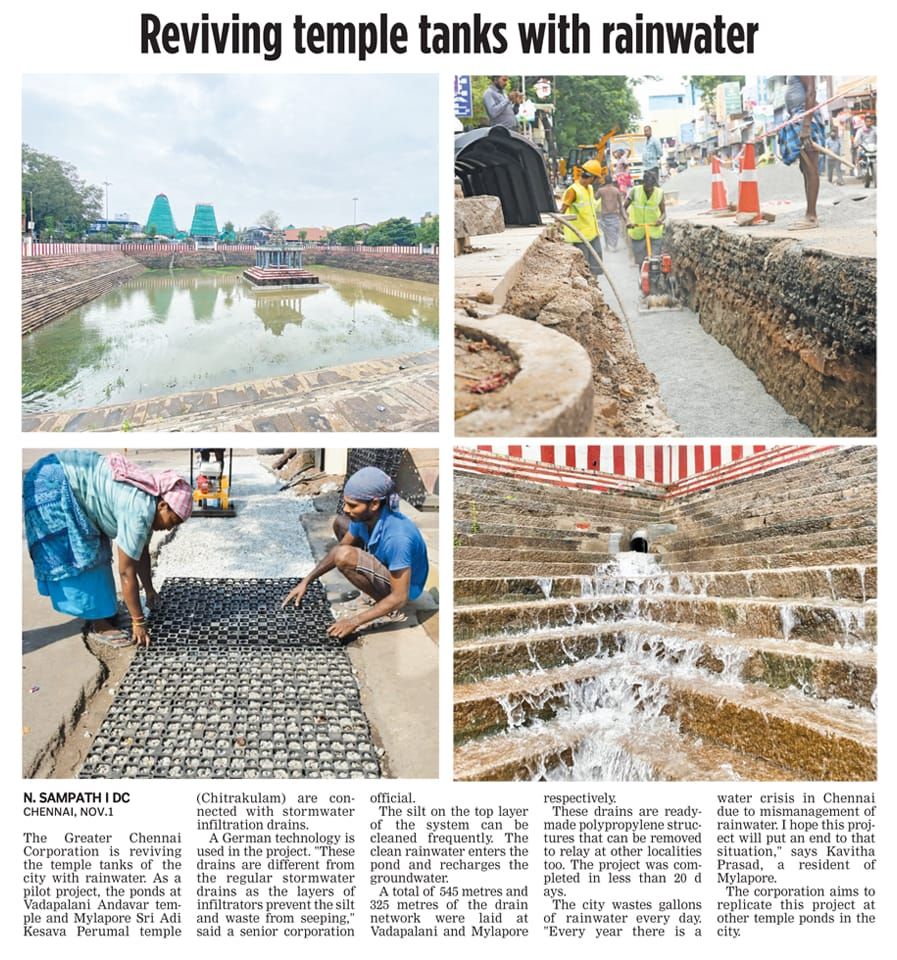
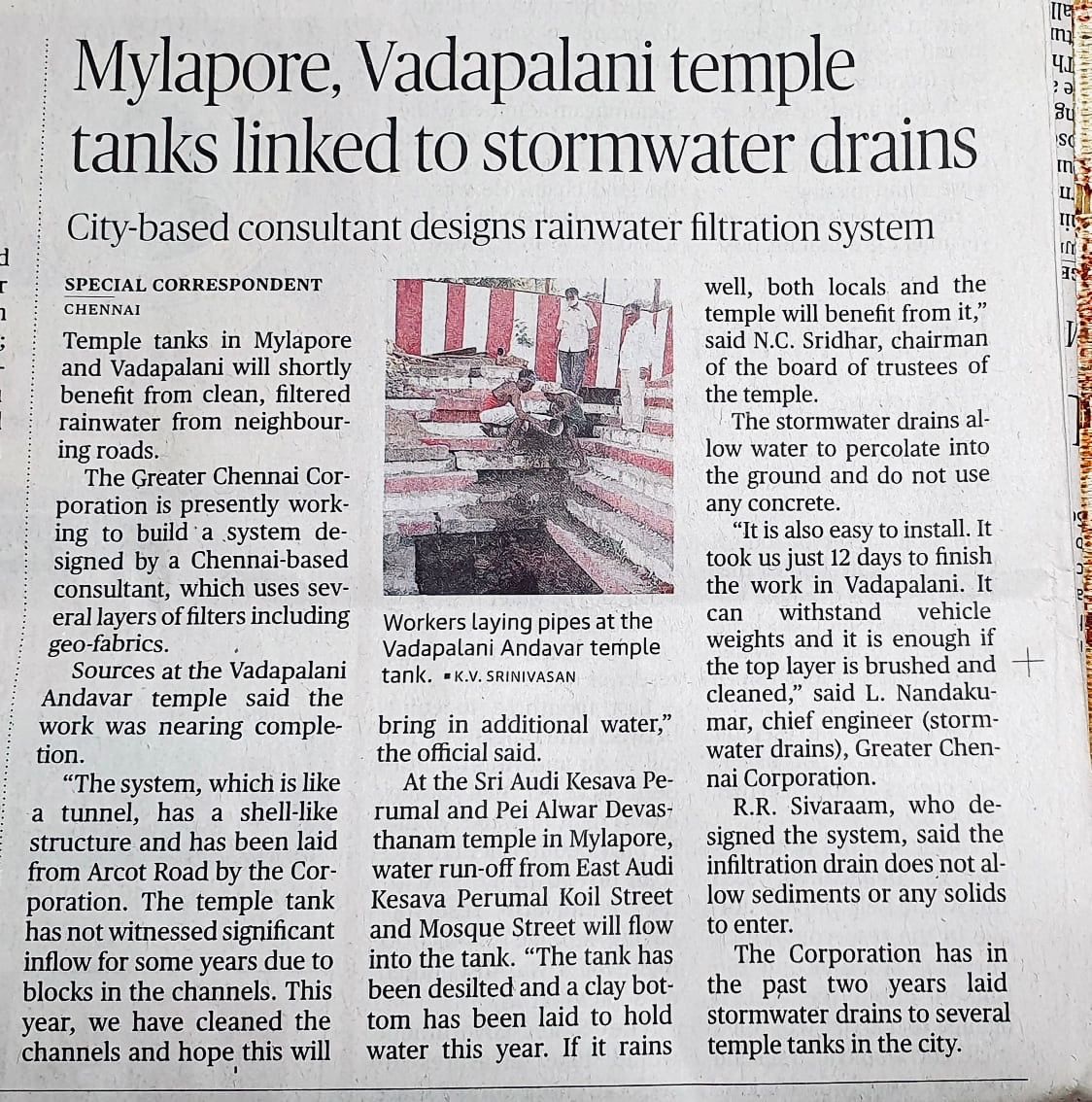
Urban Parks: The Greater Chennai Corporation has built sponge parks citywide, with flagship municipal-scale projects utilizing Stone Hands’ solutions.
Residential Developments: Gated communities and IT parks benefit from Eco Bloc beneath parking areas, satisfying RERA requirements while managing stormwater on-site.
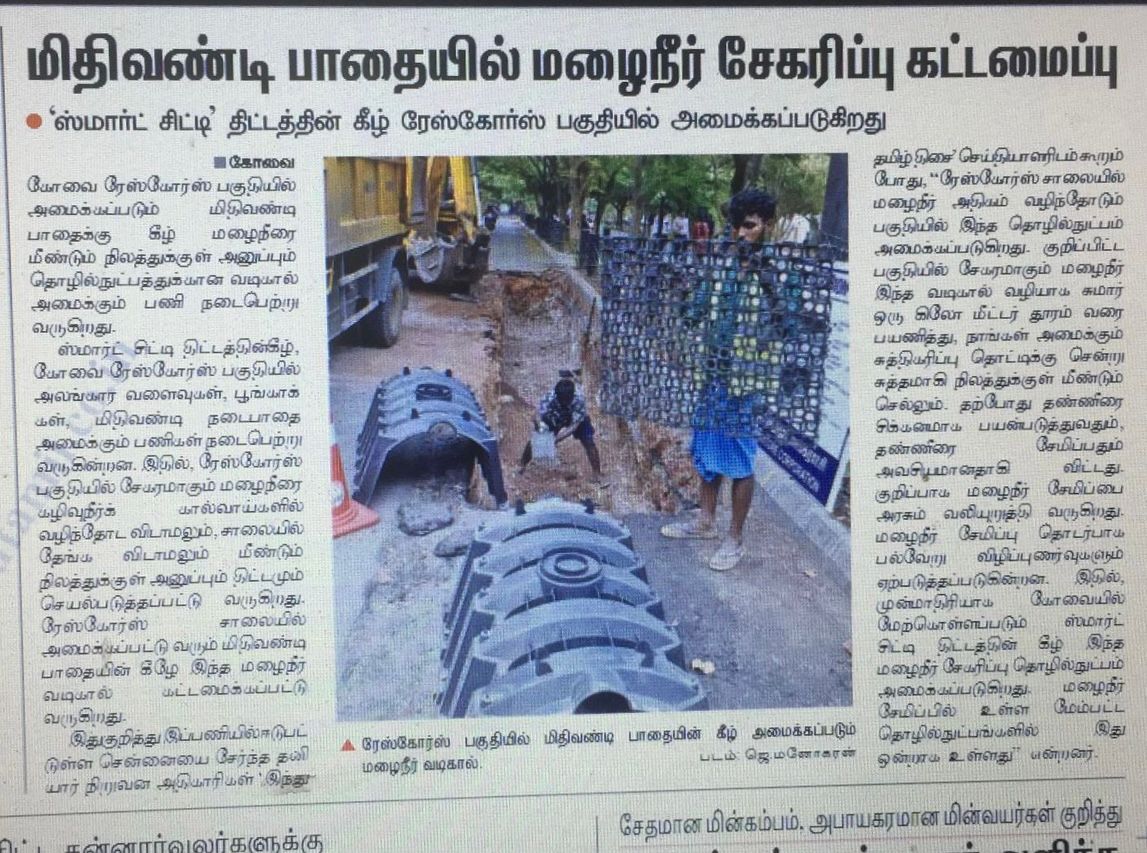
Roads: Under-road installation during road relaying enables flood mitigation and groundwater recharge.
Educational Campuses: Large campuses with substantial hardscape are ideal candidates for distributed Sponge City infrastructure.
Benefits
• Flood risk mitigation for the project site and adjacent areas
• Active groundwater recharge
• RERA and green building compliance
• Reduced long-term drain maintenance costs
• Alignment with Smart City and climate-resilient infrastructure goals
FAQs
What is a Sponge City?
A: An urban area designed to absorb, store, and recharge rainwater through permeable surfaces and underground storage, rather than routing all runoff into drains.
Is Sponge City applicable to Indian conditions?
A: Yes. Implementations in Chennai across multiple monsoon seasons have demonstrated the effectiveness of Sponge City solutions under Indian urban conditions.
What is the difference between SuDS and Sponge City?
A: SuDS is the UK terminology for the same class of solution — both describe infrastructure managing stormwater naturally through absorption, storage, and controlled release.
Can this work in dense urban areas with limited land?
A: Yes. Eco Bloc is installed underground — no additional surface land area required.
How does this connect to groundwater recharge?
A: Water stored in Eco Bloc units percolates through the base into surrounding soil, replenishing the aquifer.
Which sectors does Stone Hands serve?
A: Stone Hands works across multiple sectors, including municipal corporations, real estate developers, industrial and institutional campuses, and infrastructure consultants throughout India.
CTA: Planning a development project in India? Contact Stone Hands to understand how Sponge City infrastructure can work for your site.
→ https://stonehands.in/solutions
Contact Us
Join us to
Shape a Water secure future
We'd love to hear from you. Fill out the form and our team will get back to you within 24–48 hours.
Prefer a Direct Approach?
+91 82200 02200
Contact@stonehands.in