Rainwater Conserved | 100 Million L/Yr |
 Projects Completed | 1000+ |
 Carbon Footprint Reduced | 50 Tons/Yr |
 No. Of Structures | 10,000+ |
India Loses Over
2,700 Billion Cubic Meters Of Rainwater Every Year, Yet Less Than 8% Is Harvested.
Stone Hands is here to change that, driving innovative rainwater and storm water solutions to secure our water future.
We aim to tackle critical water challenges, by providing innovative solutions that capture, store, and manage water efficiently, ensuring sustainable use and conservation.
| 01 |  | Increased Evaporation Rapid evaporation leads to significant water loss, especially in arid regions. We help capture rainwater early, storing it before it evaporates, ensuring maximum water retention. |
| 02 | 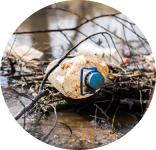 | Wasted RunOff Uncontrolled run-off not only wastes valuable water but also erodes landscapes and causes urban flooding. Our solutions capture and direct run-off, turning it into a resource rather than a problem. |
| 03 | 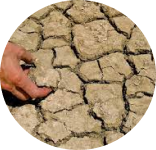 | Reduced Soil Moisture Depleted soil moisture weakens ecosystems and reduces agricultural productivity. Stone Hands helps restore natural moisture levels through rainwater Infiltration, improving soil health and supporting sustainable growth. |
| 04 | 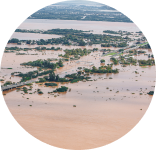 | Flood Water Urban flooding disrupts cities and causes extensive damage. Our advanced flood management systems control and store excess water, minimizing risk and creating usable water reserves for future needs. |
Driving Sustainable Water Solutions
Making Every Drop MatterGet to Know 




Planning
Strategic planning ensuring efficient, sustainable water solutions tailored to your project.
Design & Permitting
We create custom designs and secure permits for seamless project execution.
Modern Technology
Utilizing advanced technology, we automate water management for maximum efficiency.
Purifying
Smart purification systems tackle water pollution and global challenges sustainably.
Projects Spanning
Stone Hands drives sustainable water management initiatives, empowering communities and addressing unique water challenges across rural and urban India.

Coimbatore
Chennai
5K Units
789,400 L
130 Projects
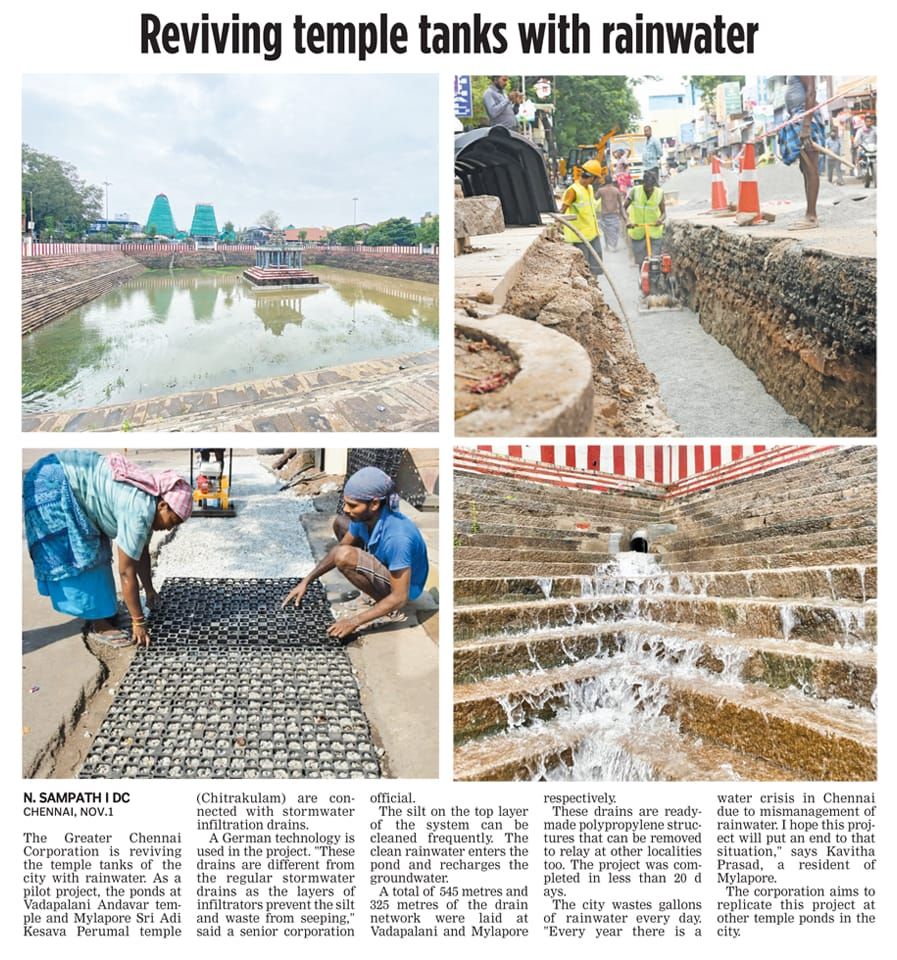
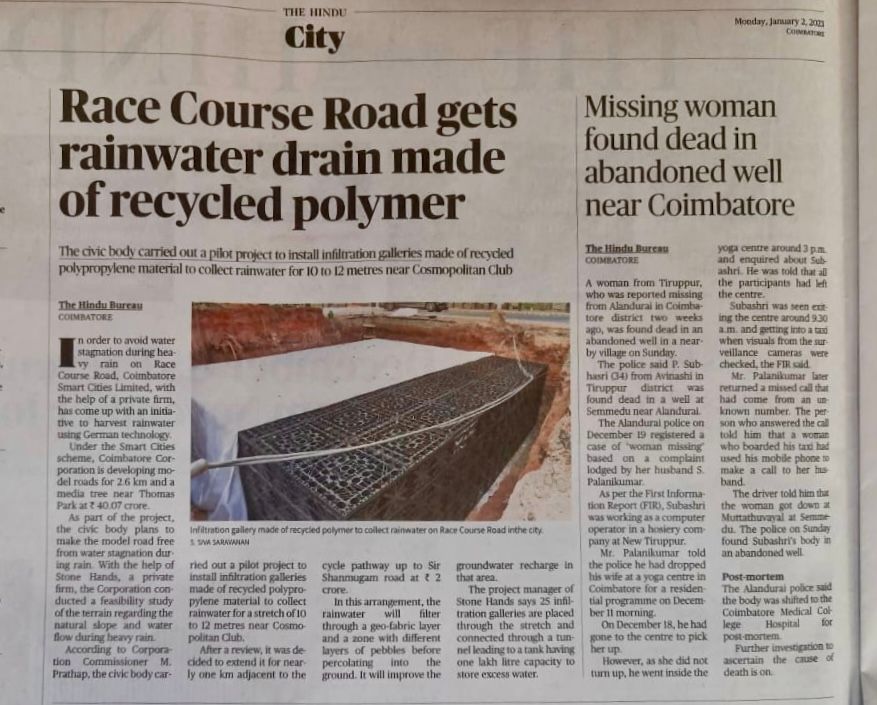
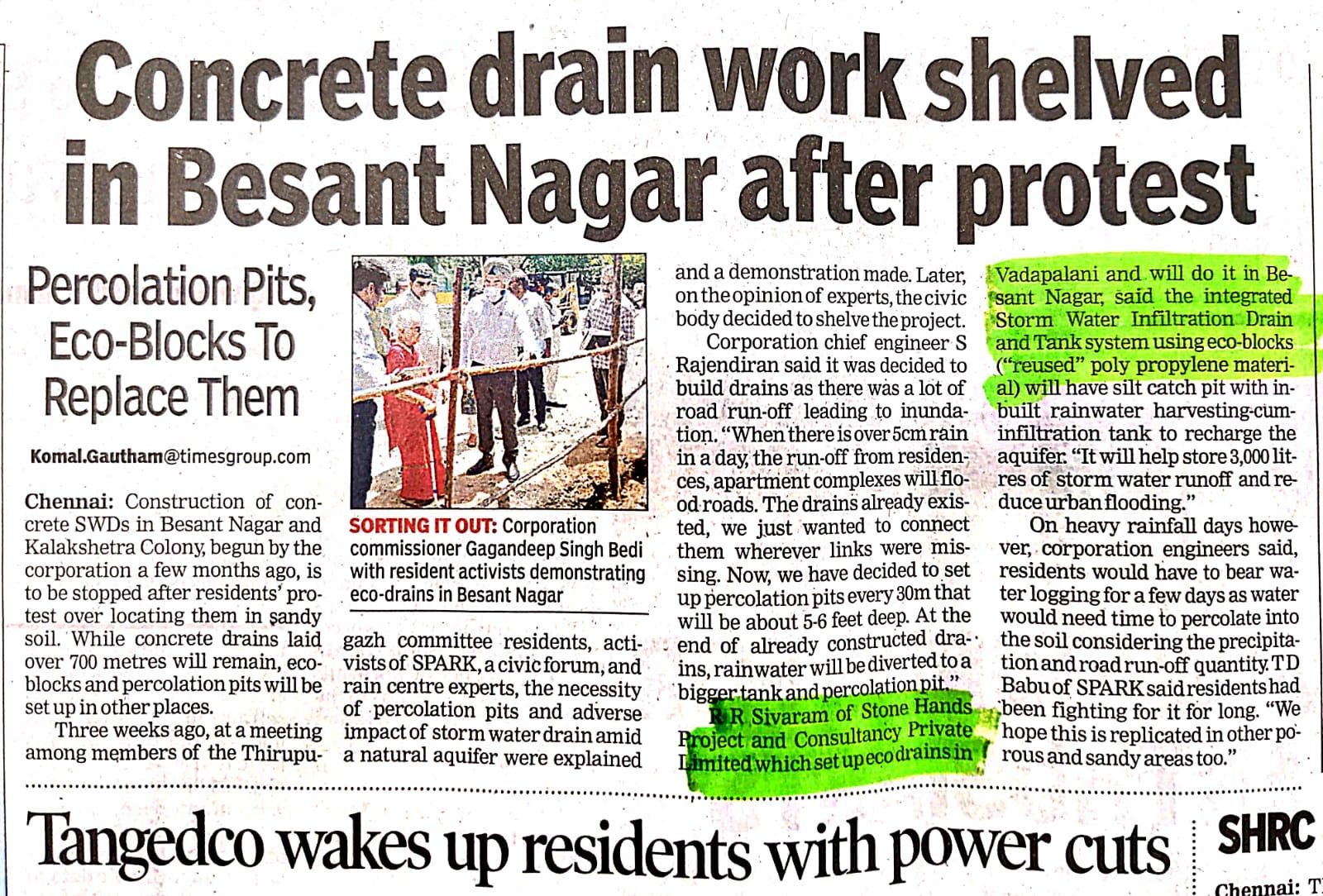
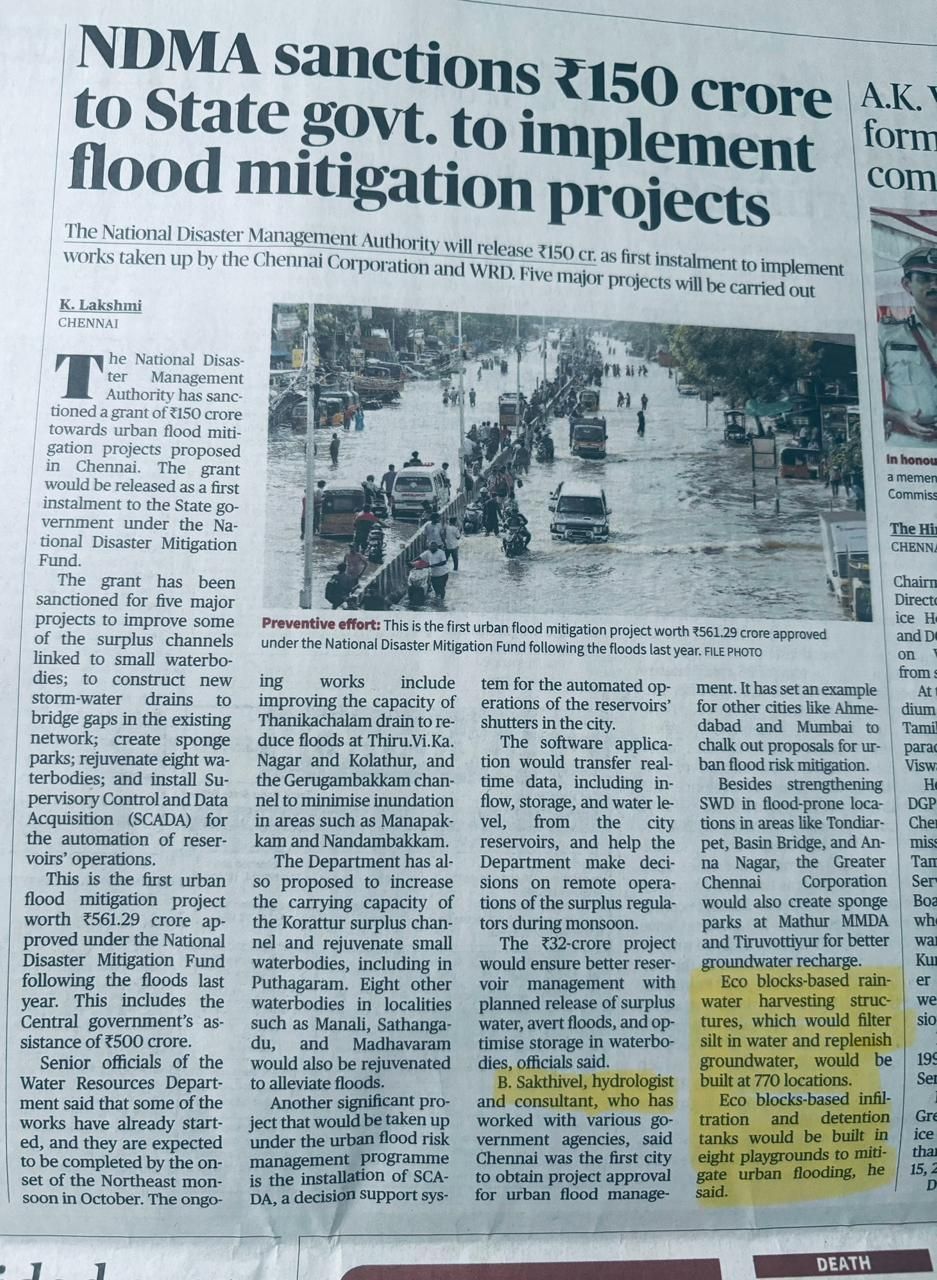
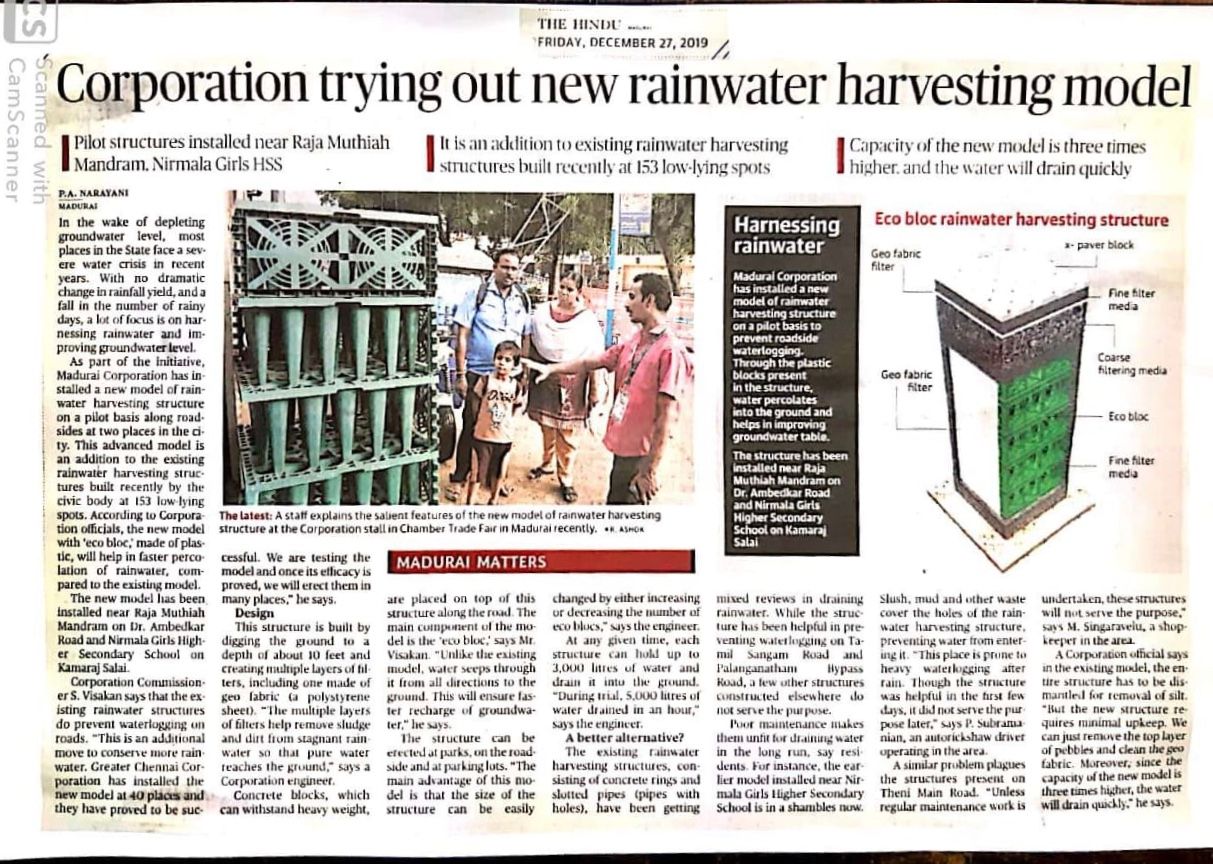
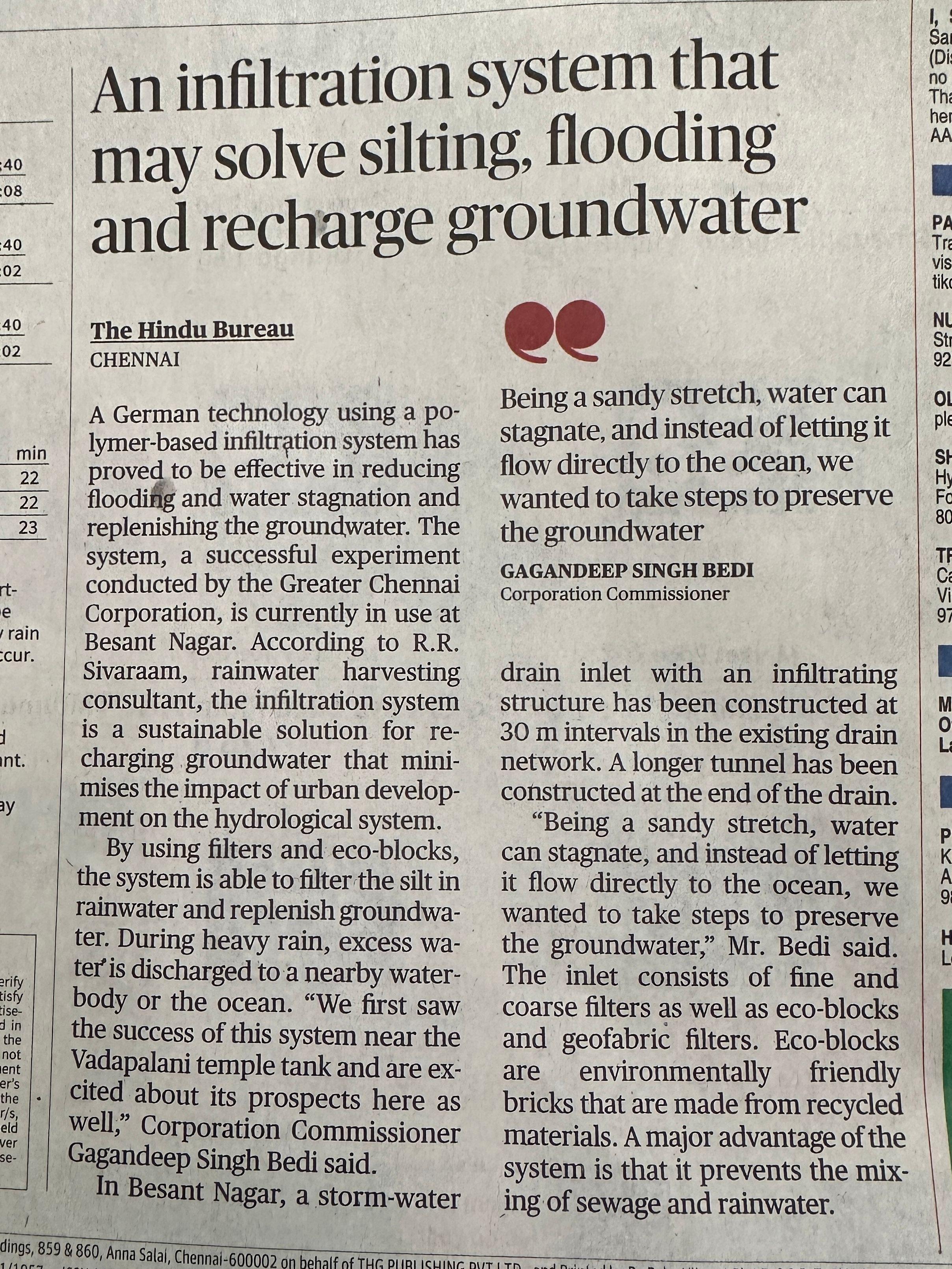
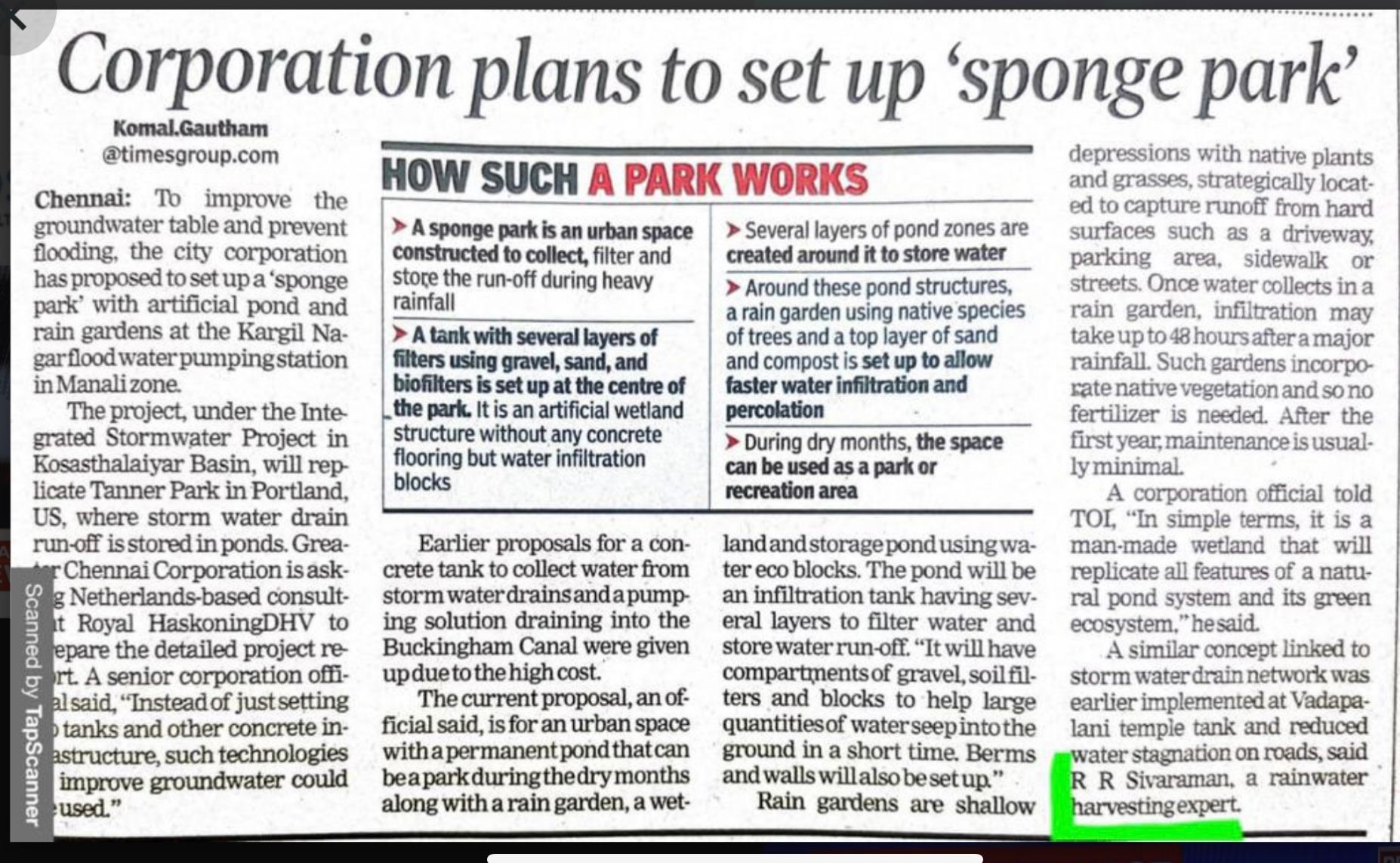
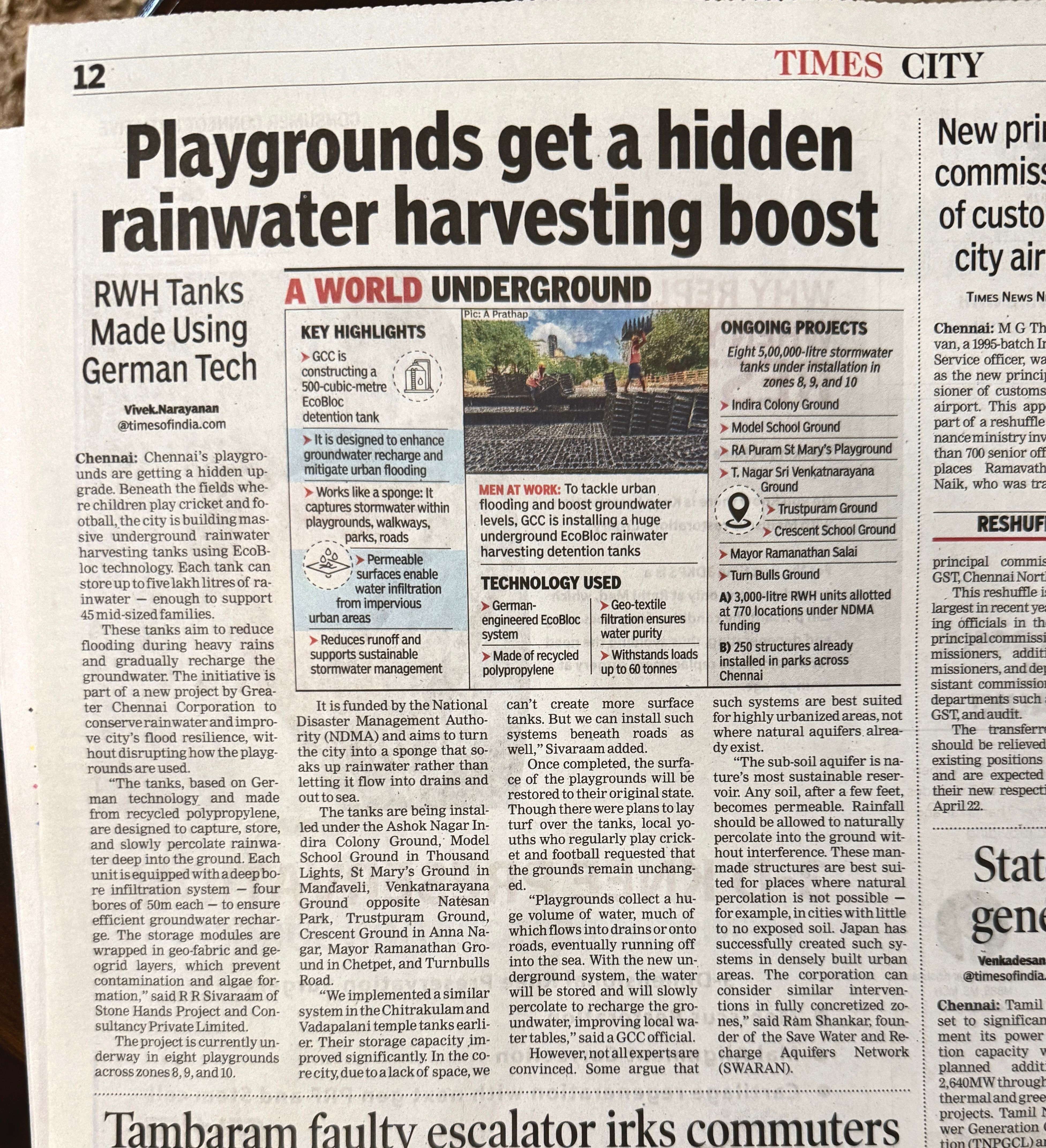
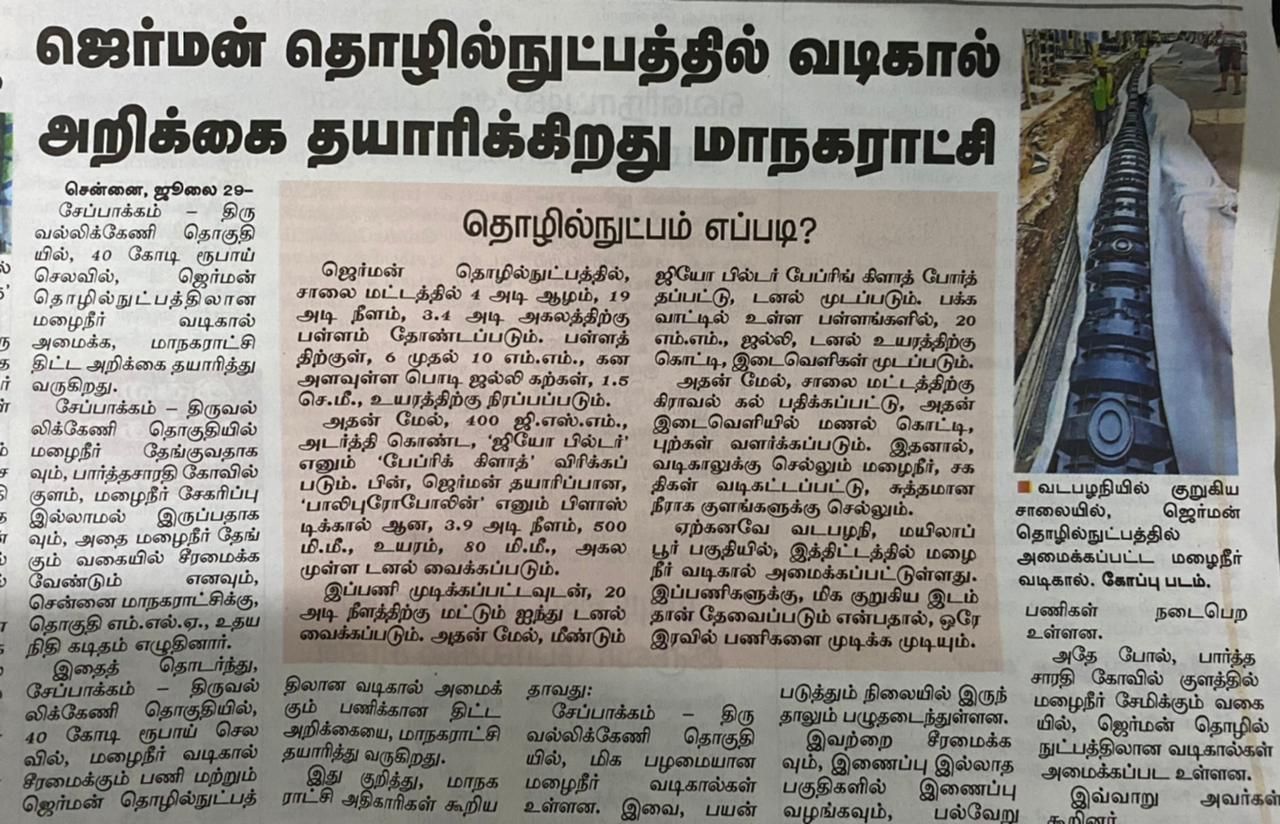
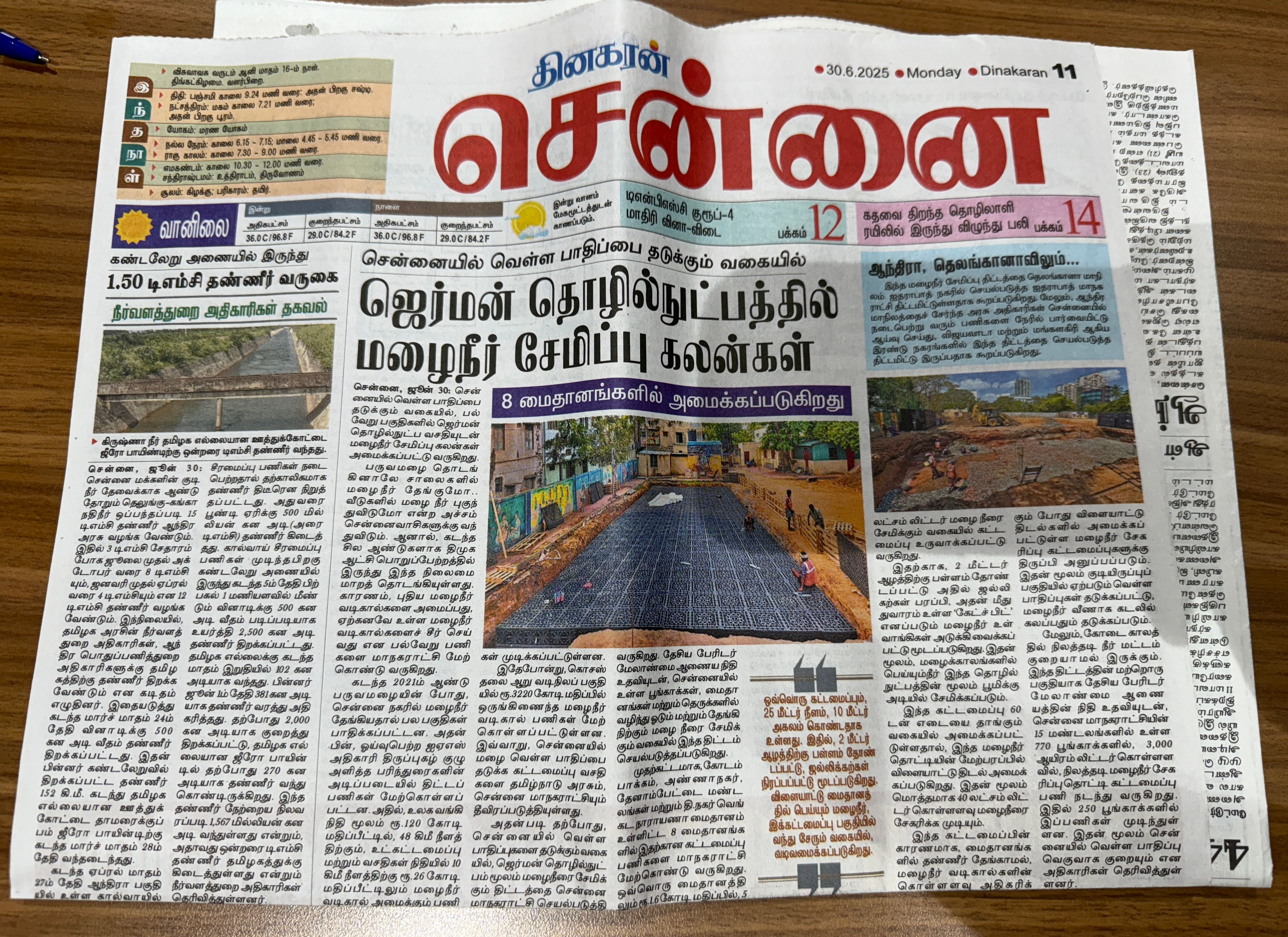
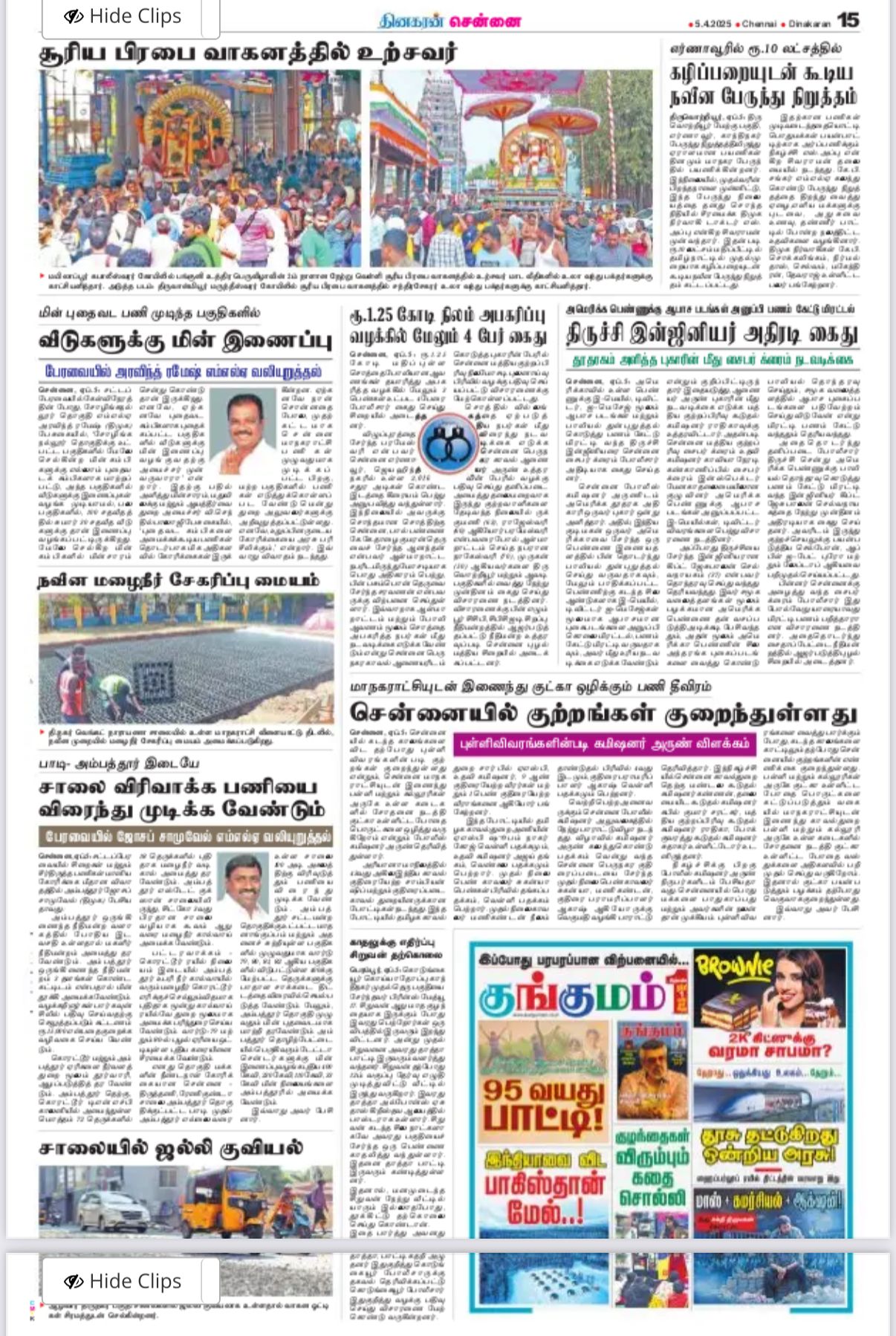
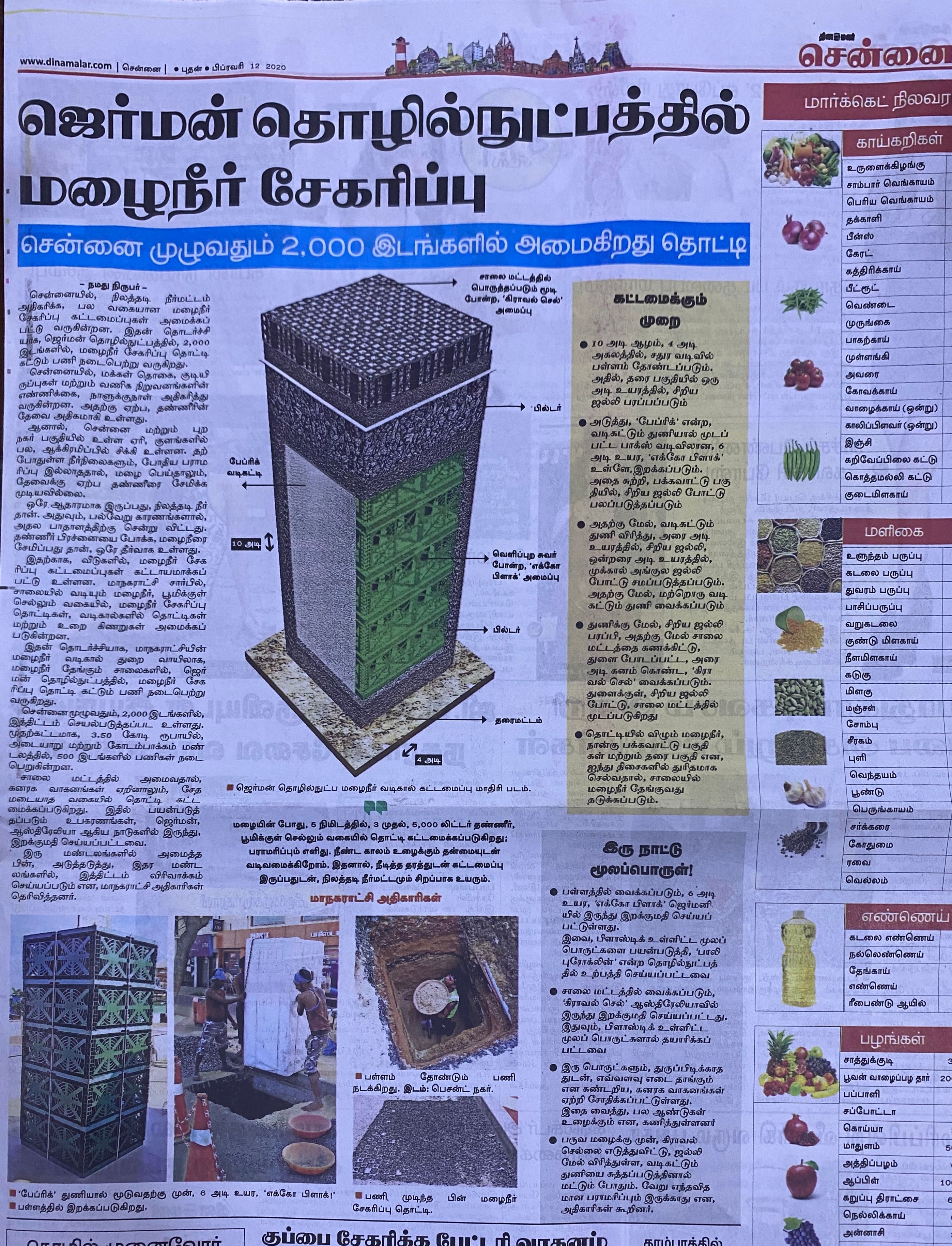
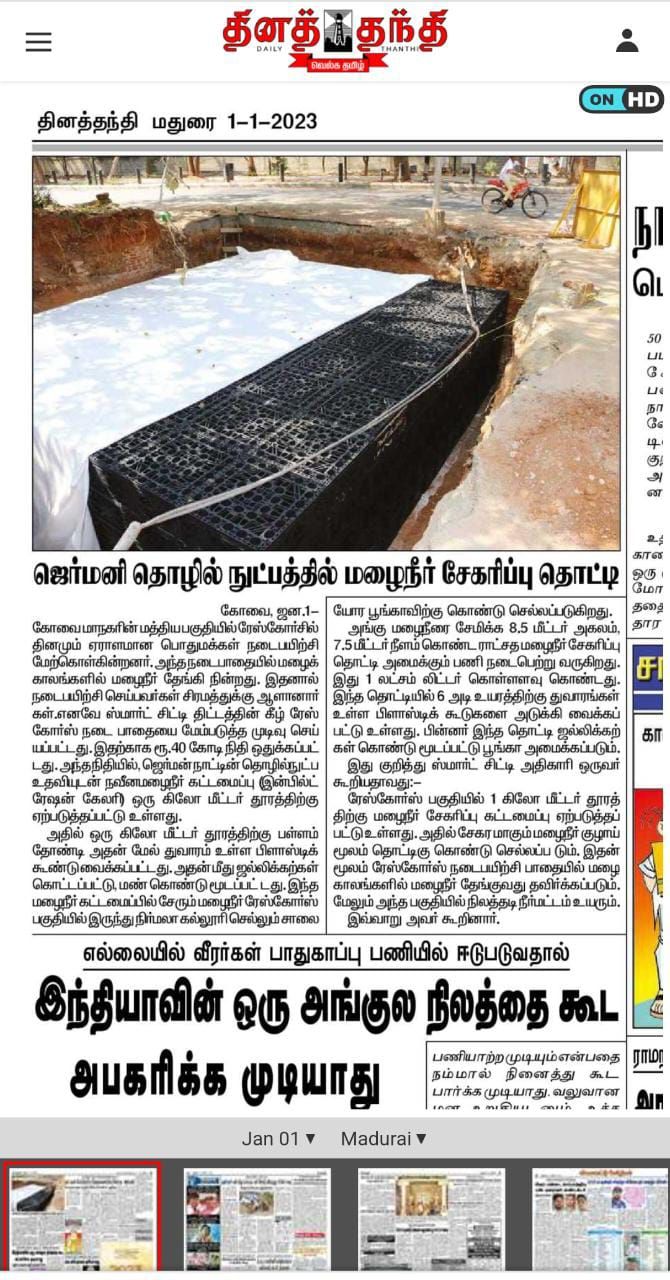
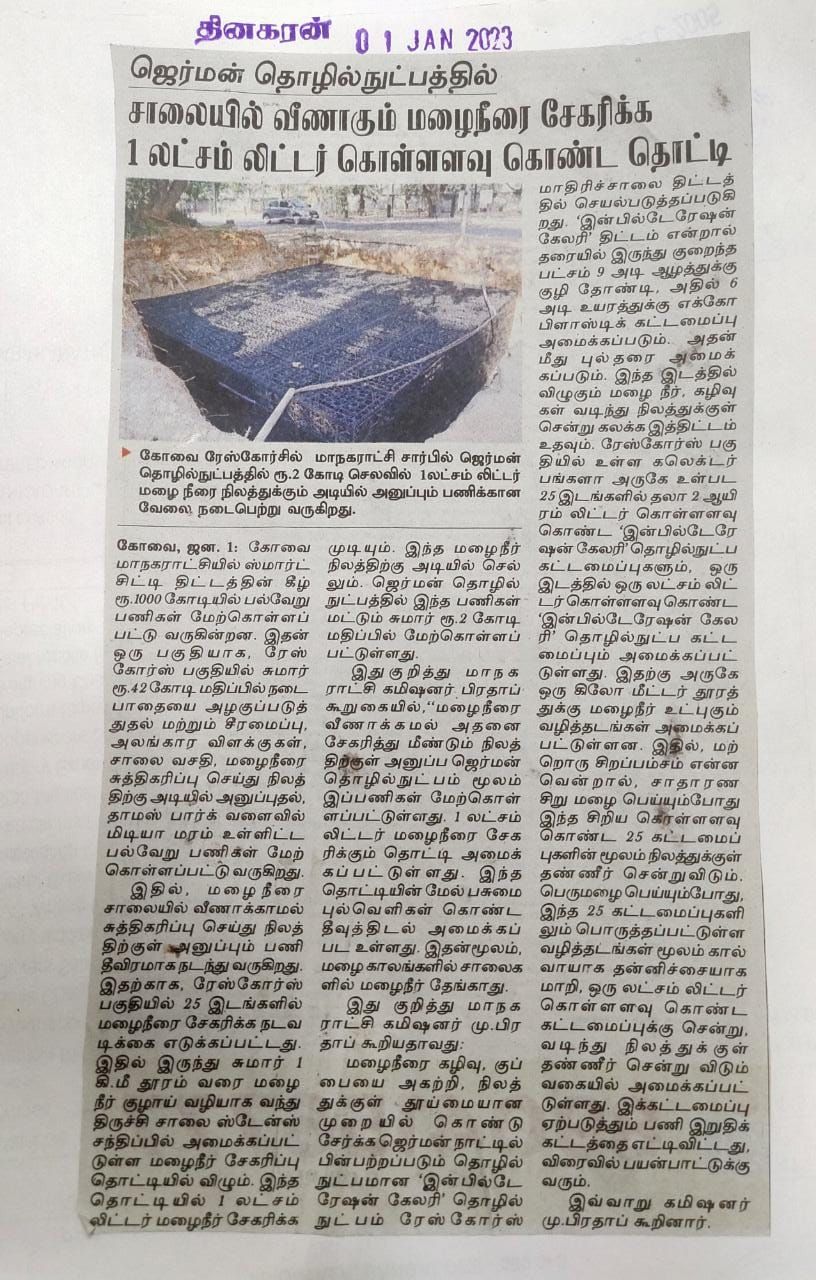
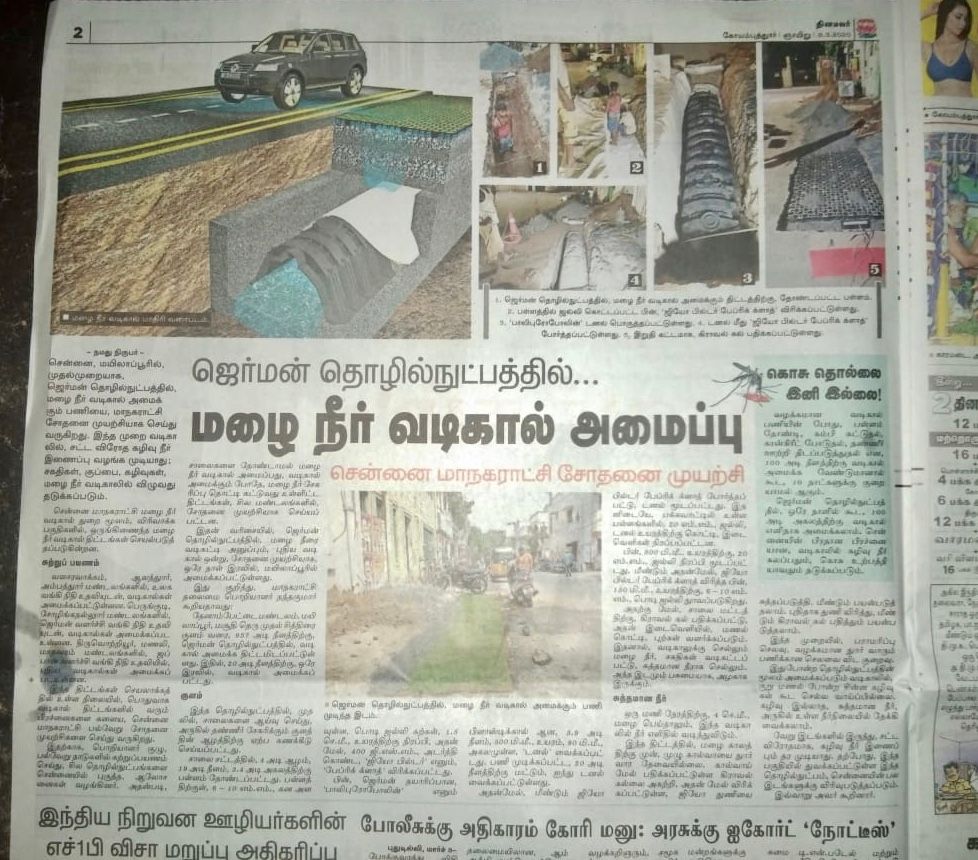
Newspaper &

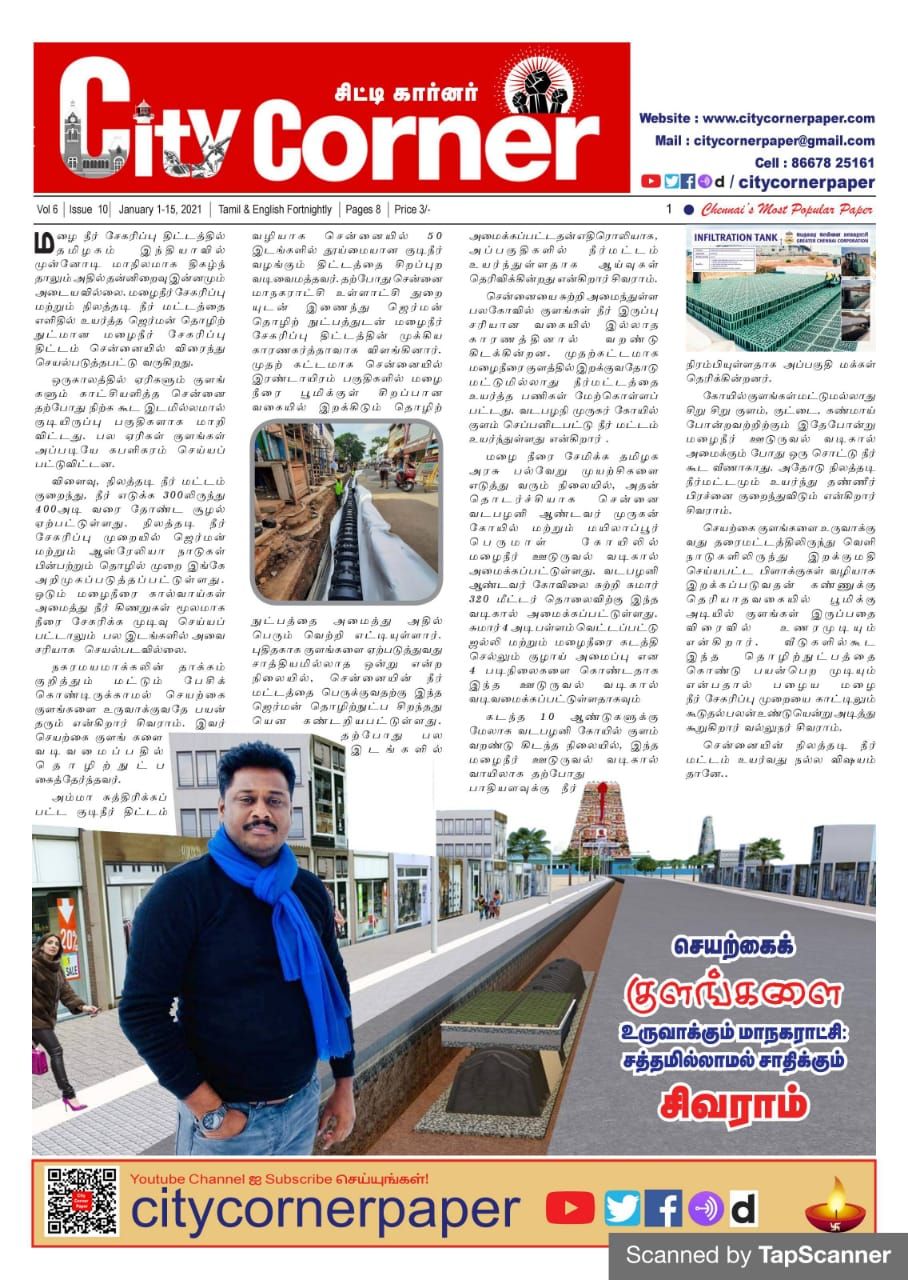
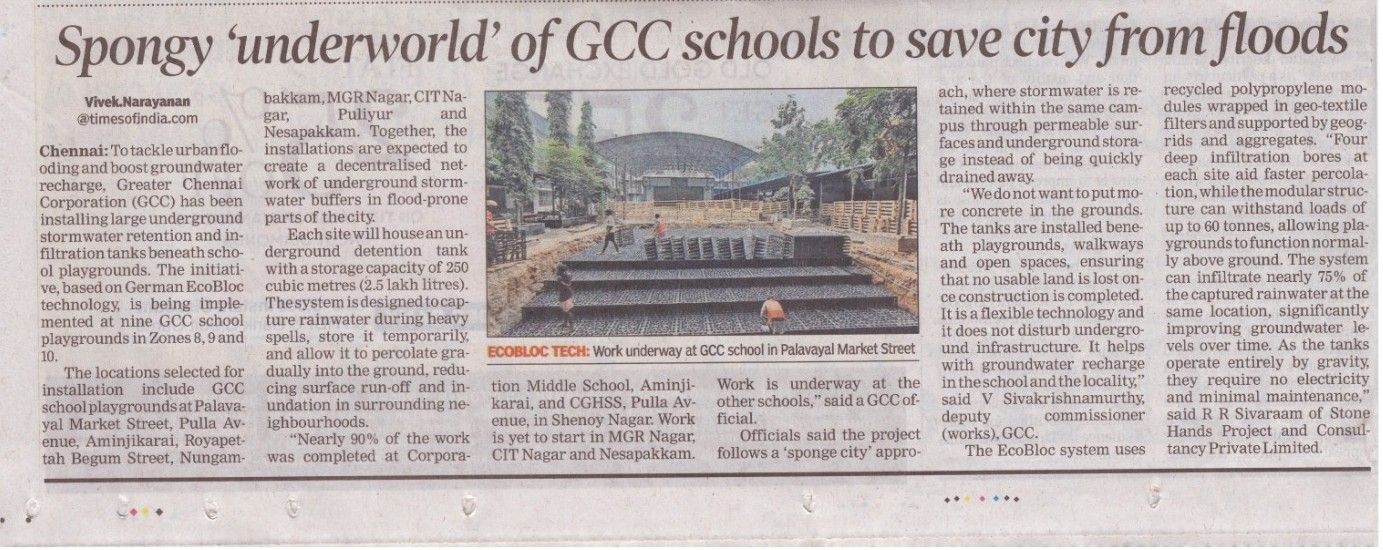
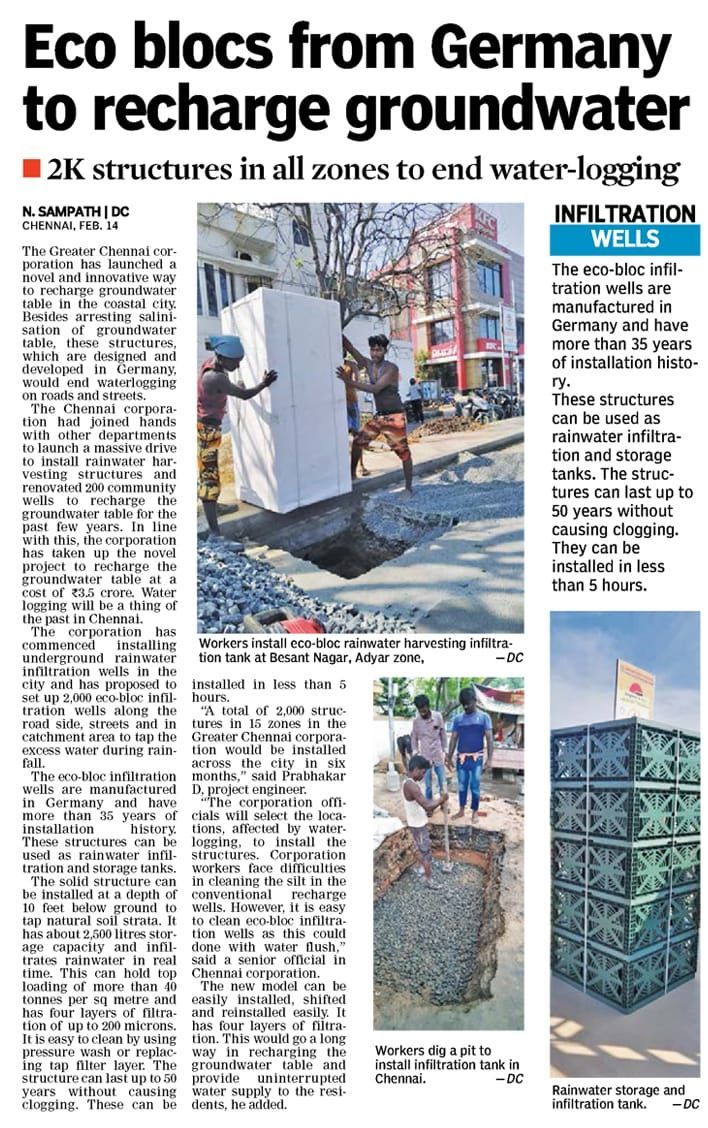
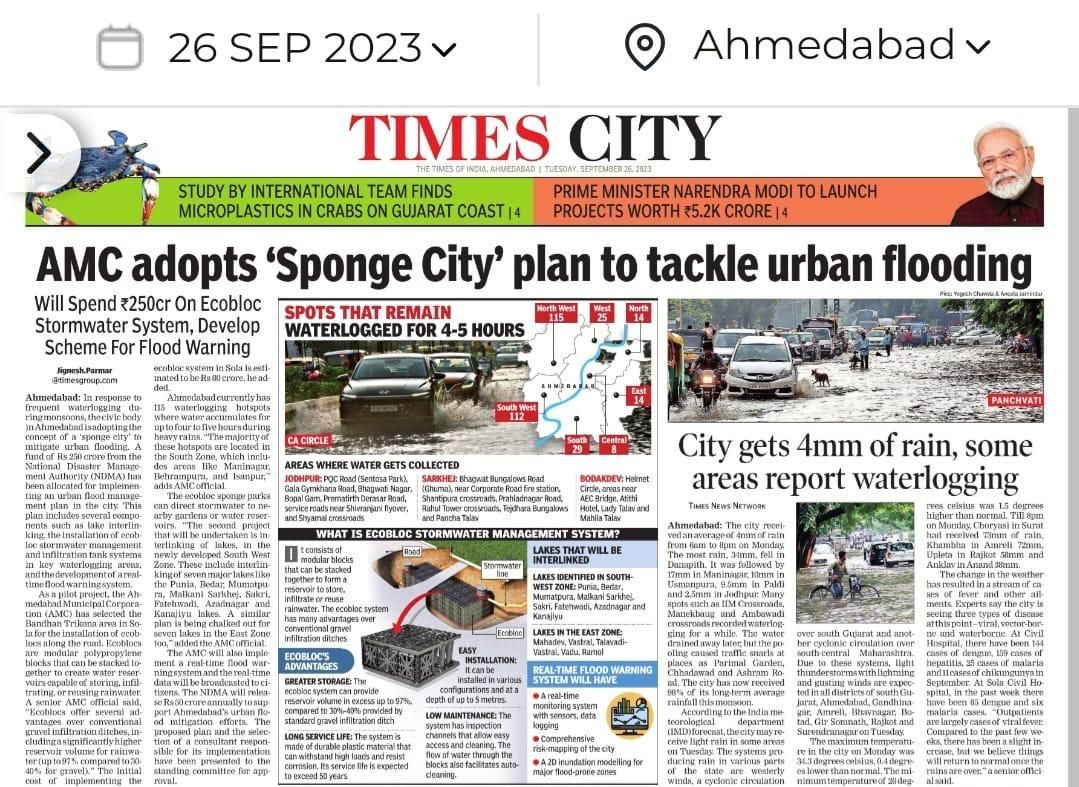
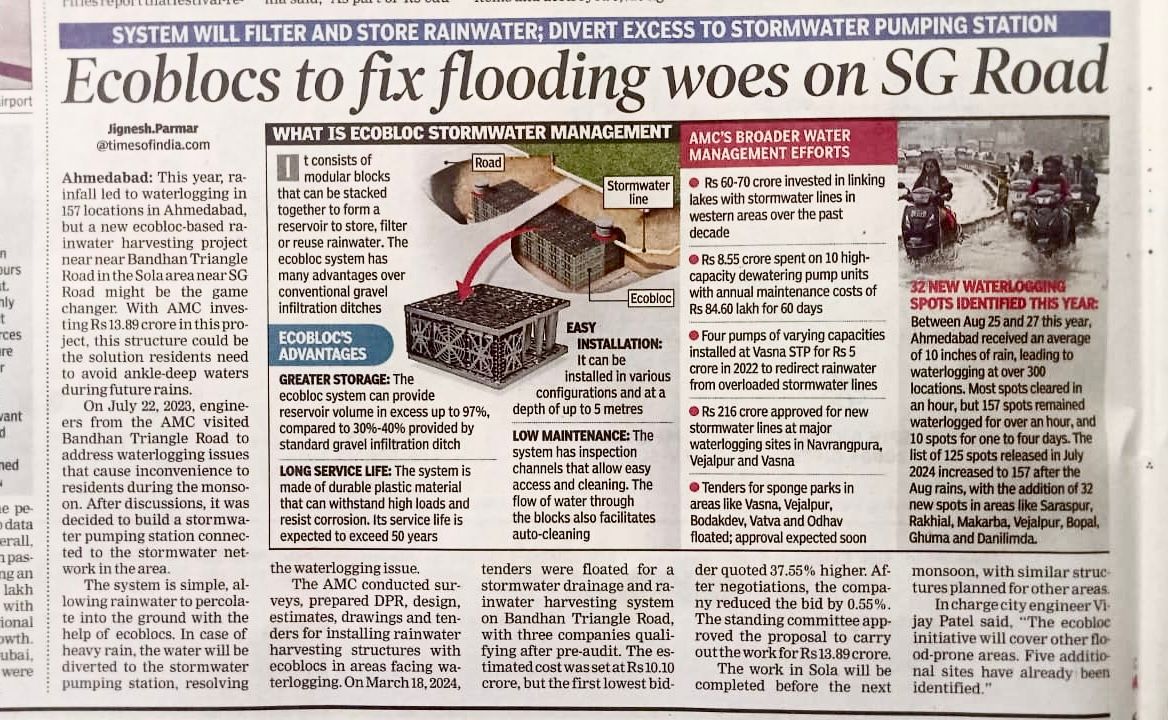
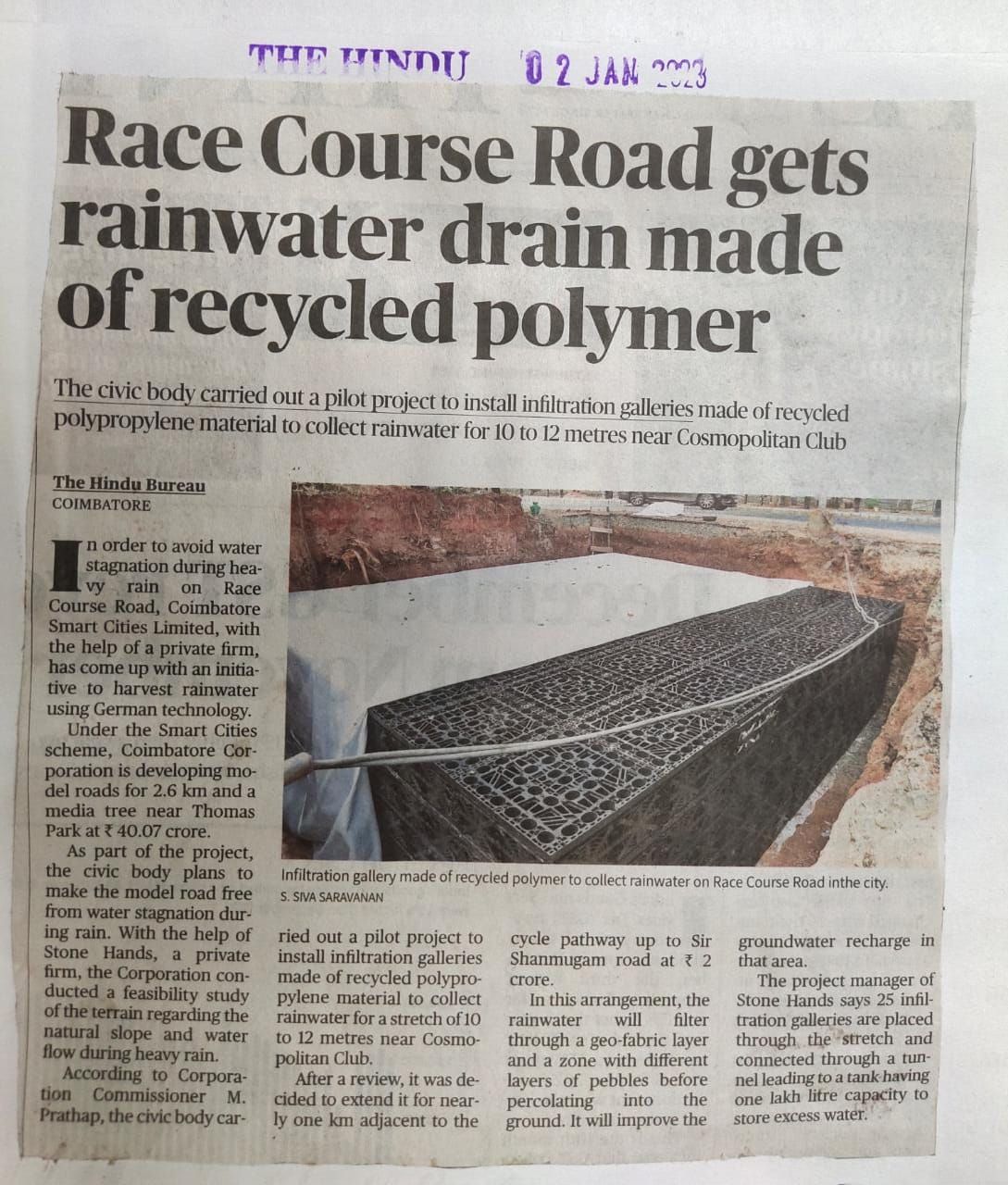
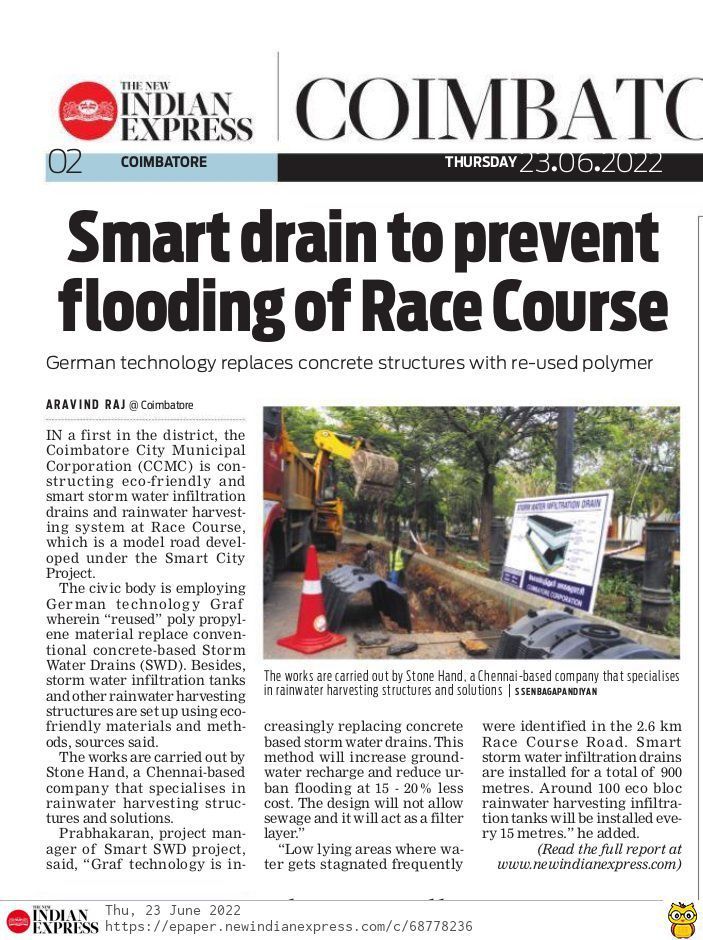
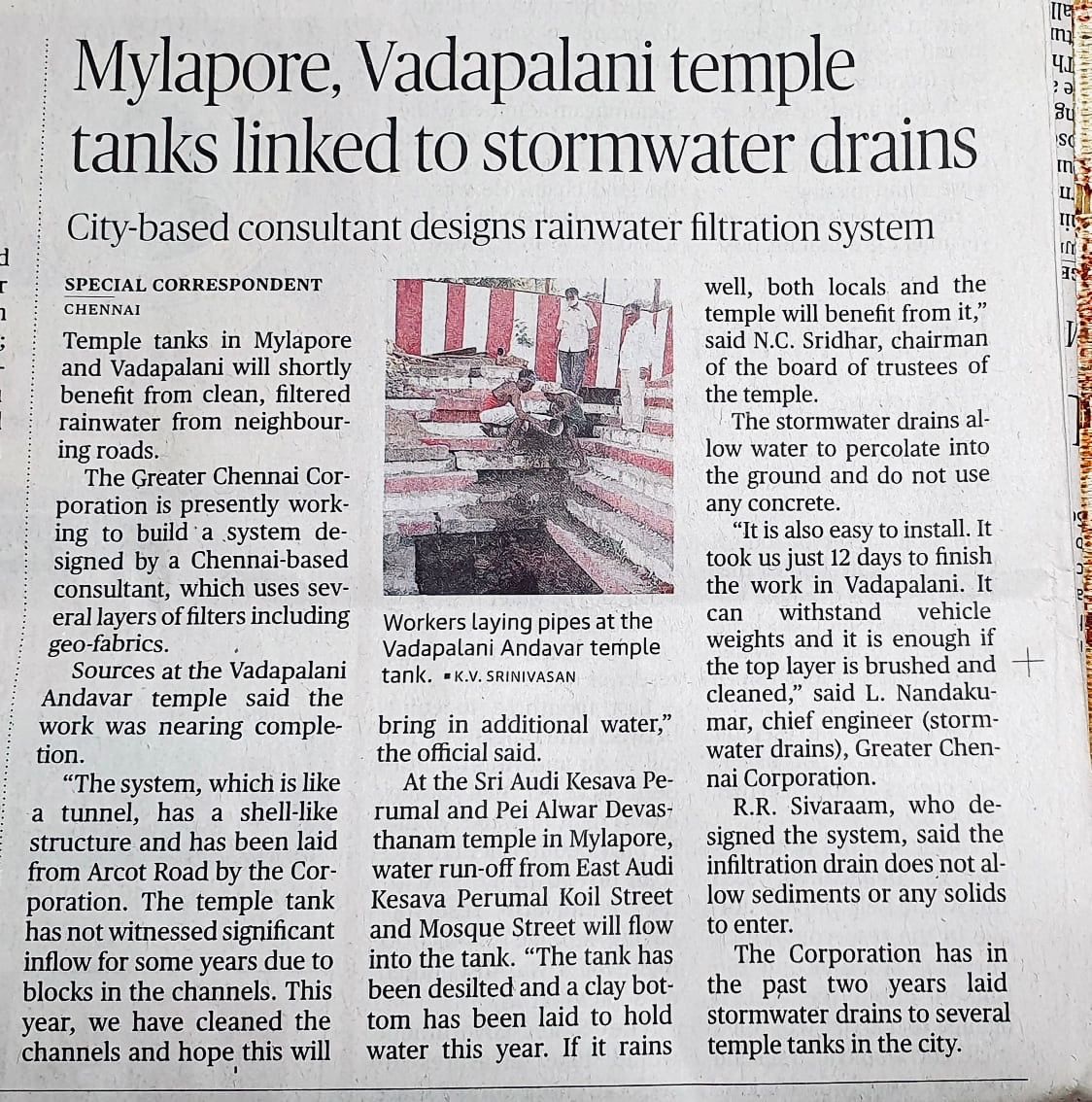
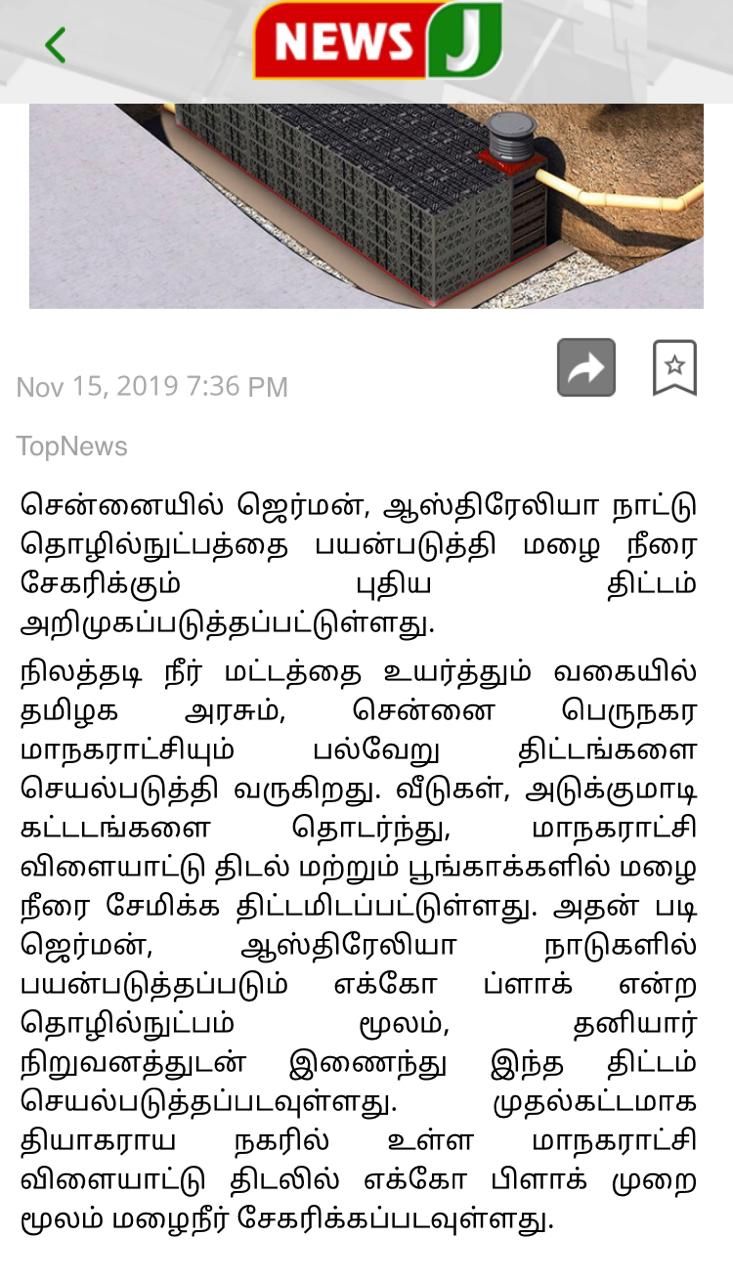
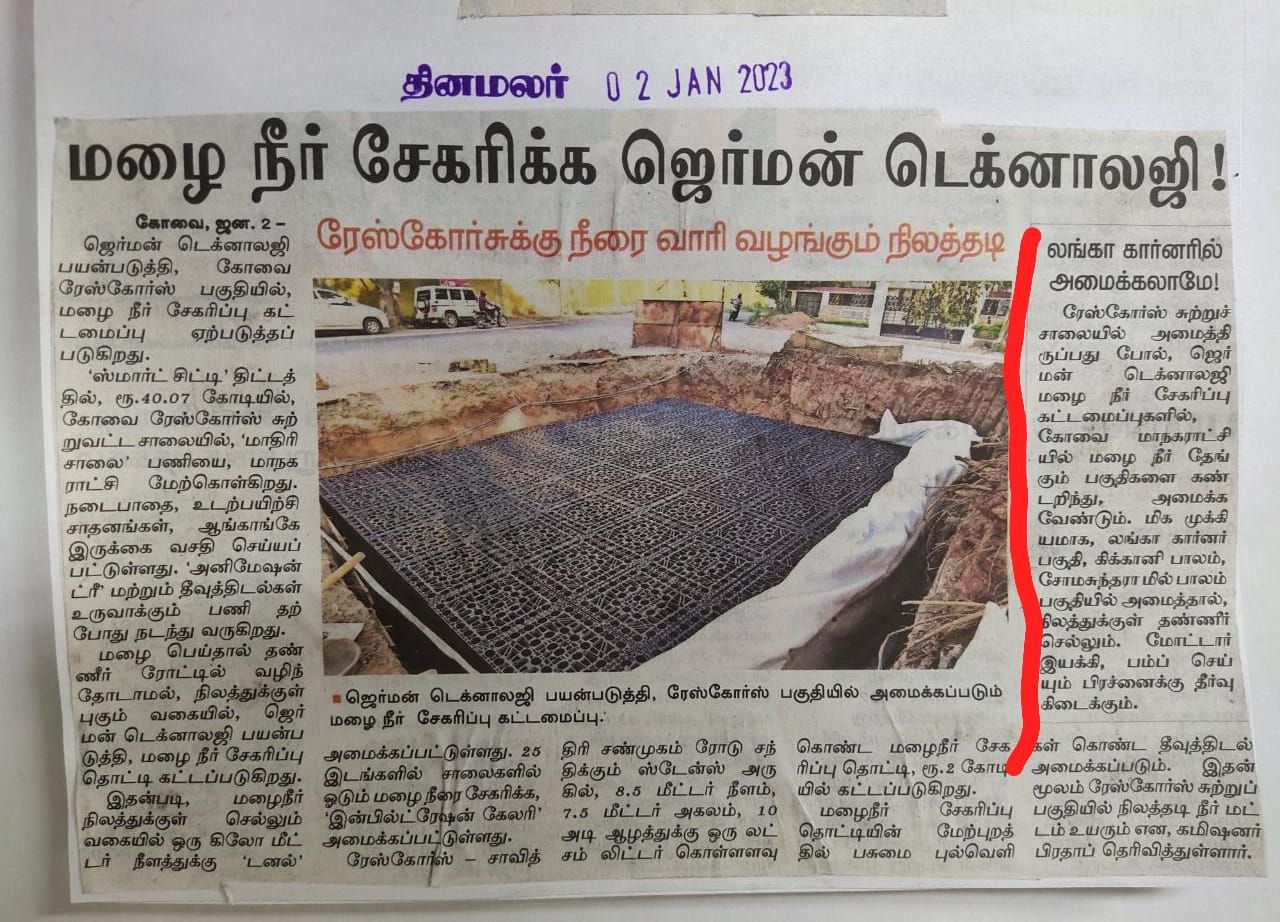
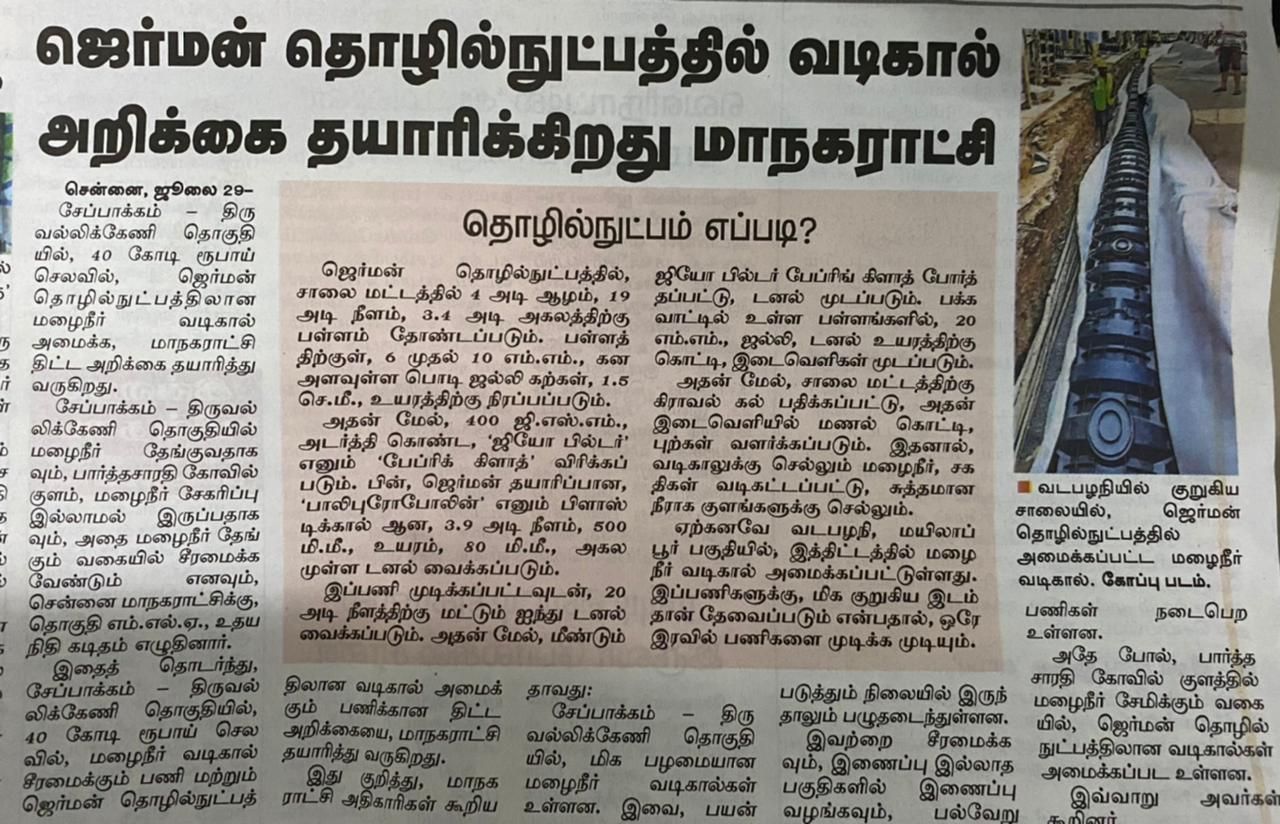
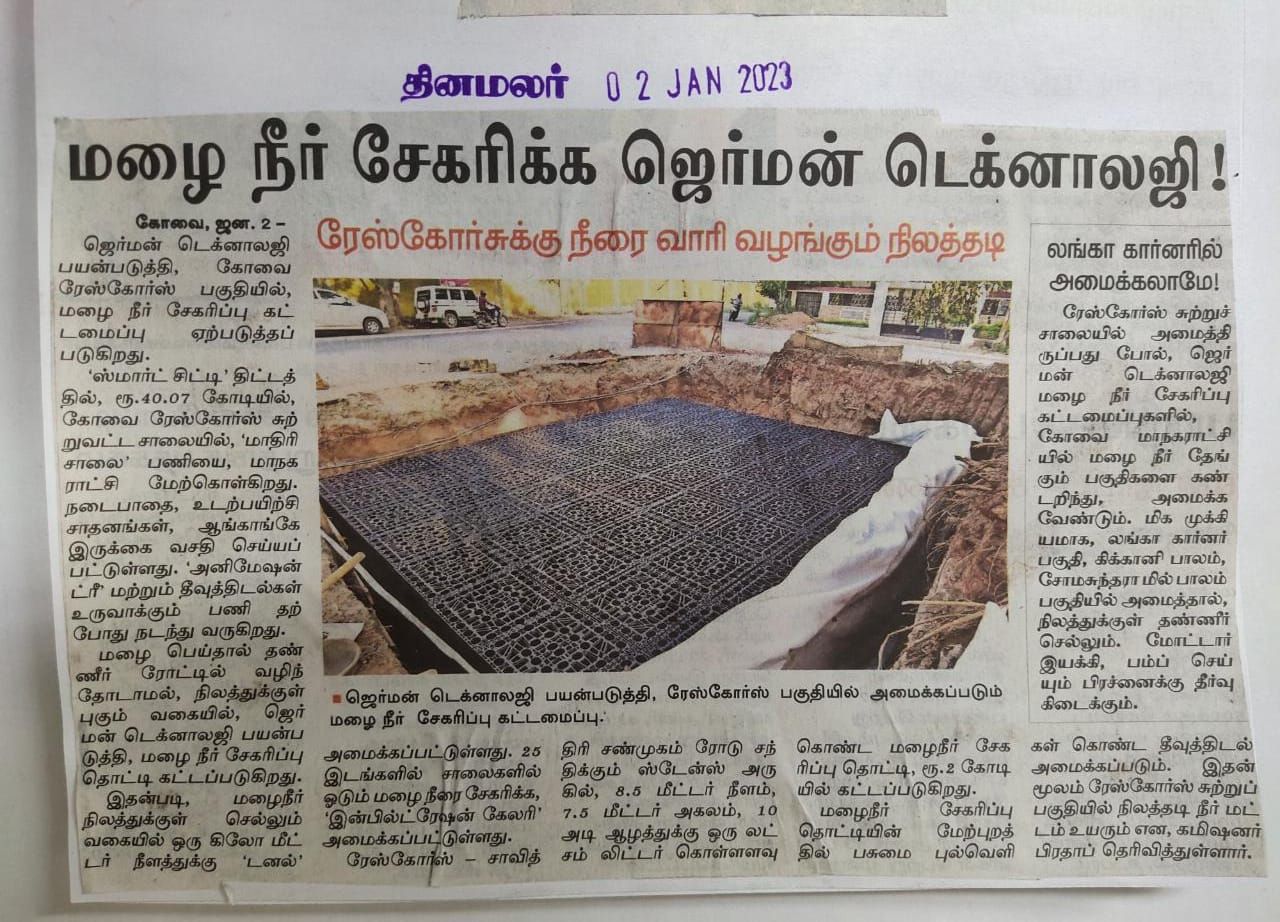
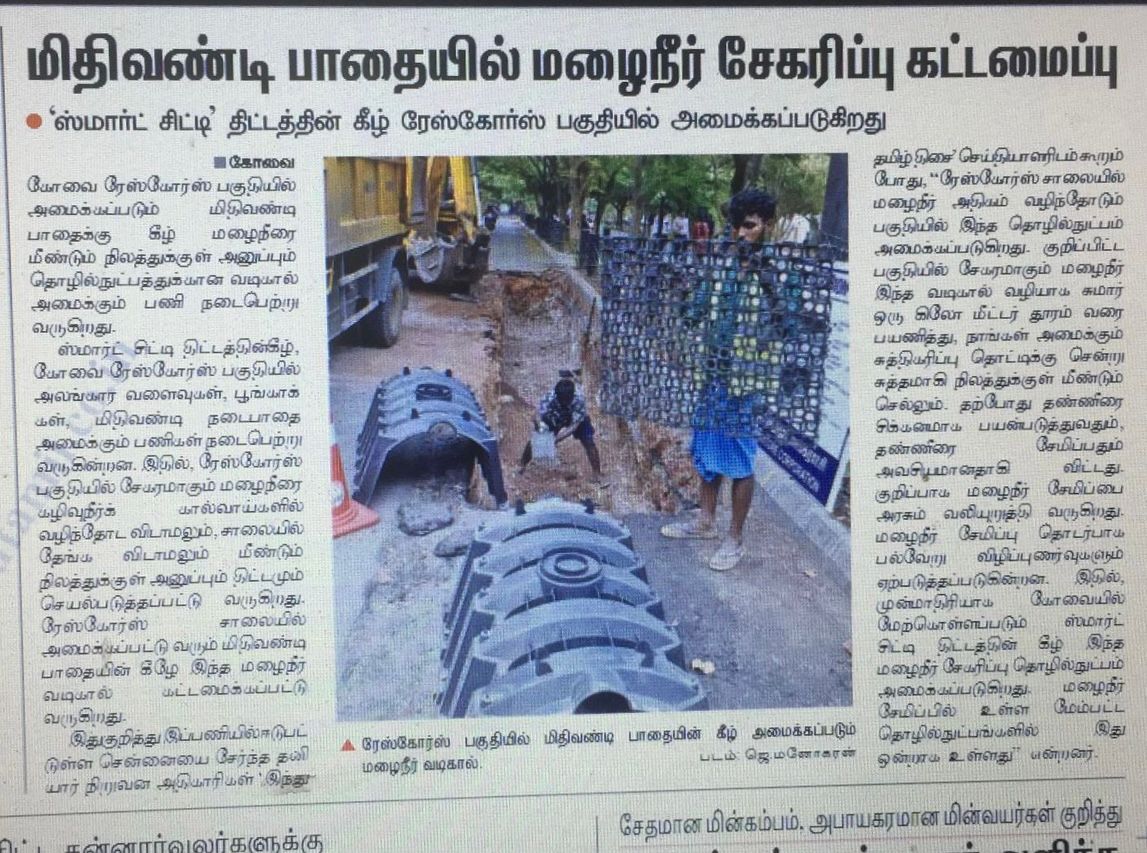
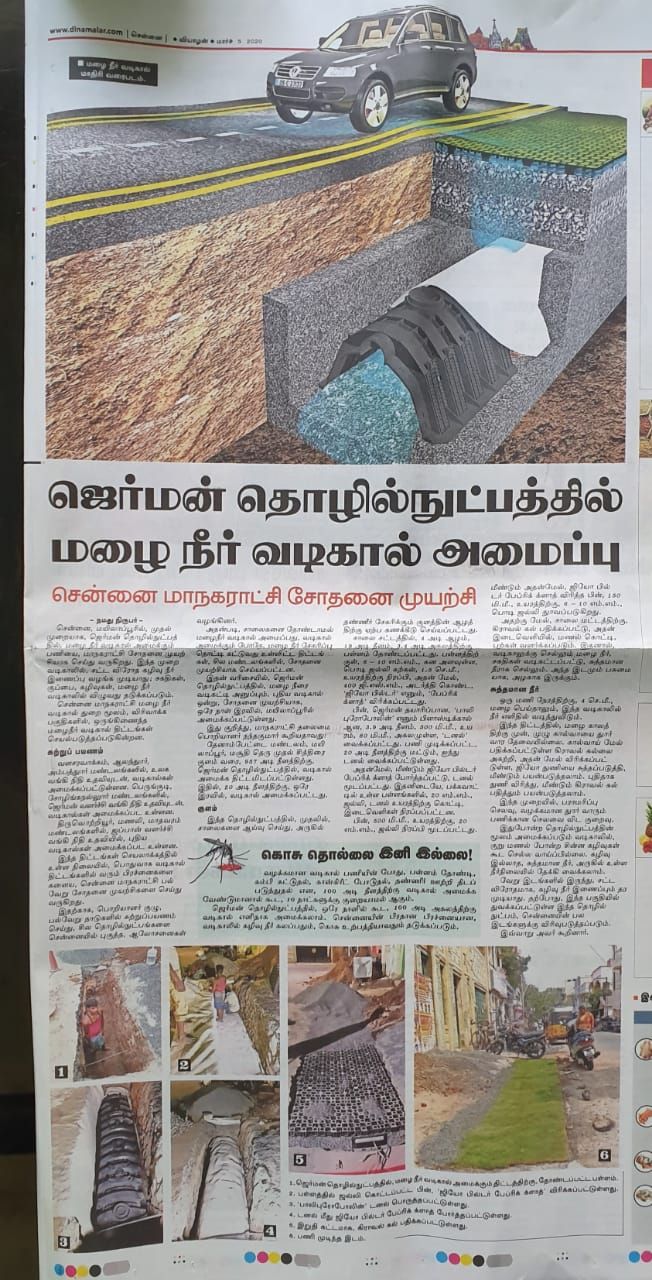
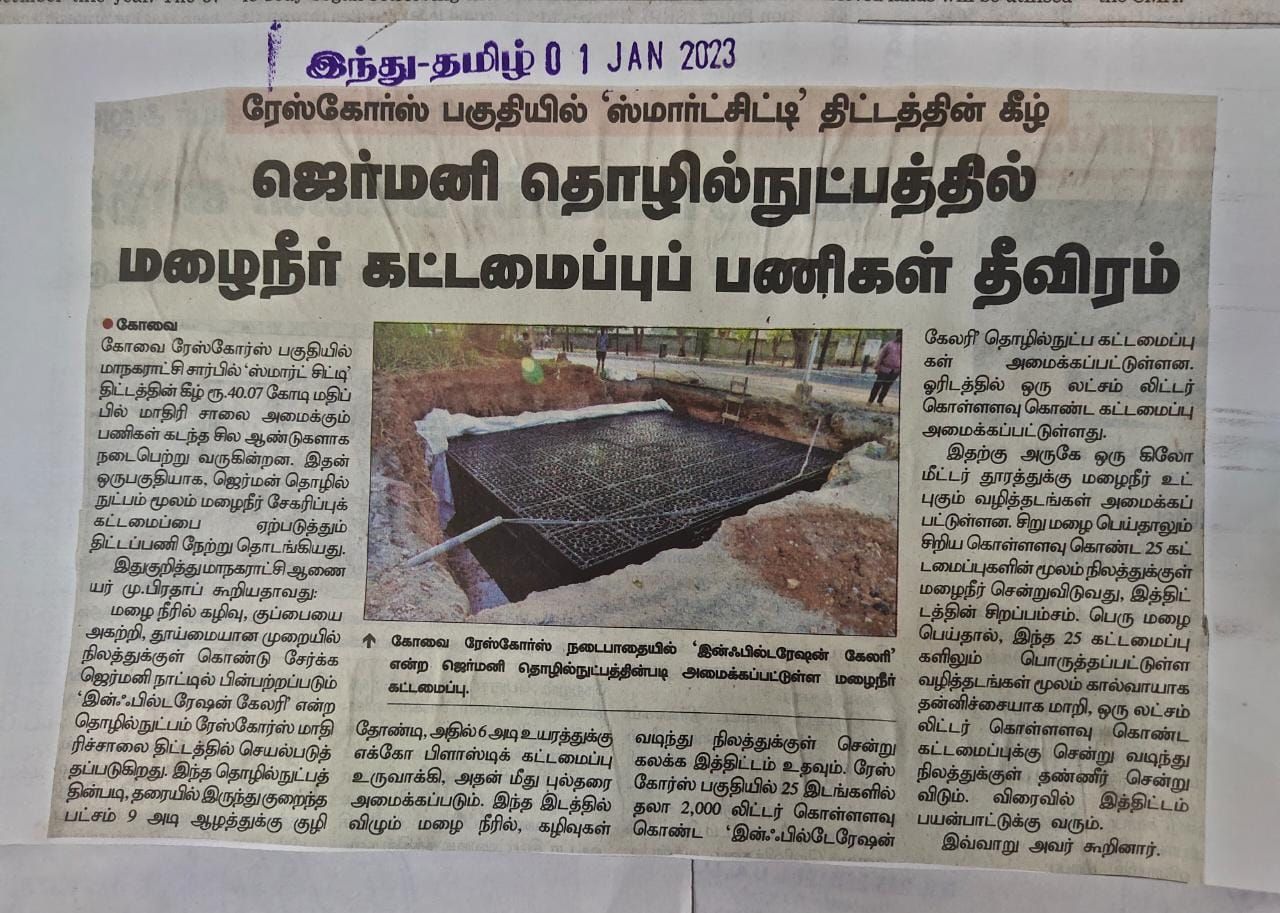
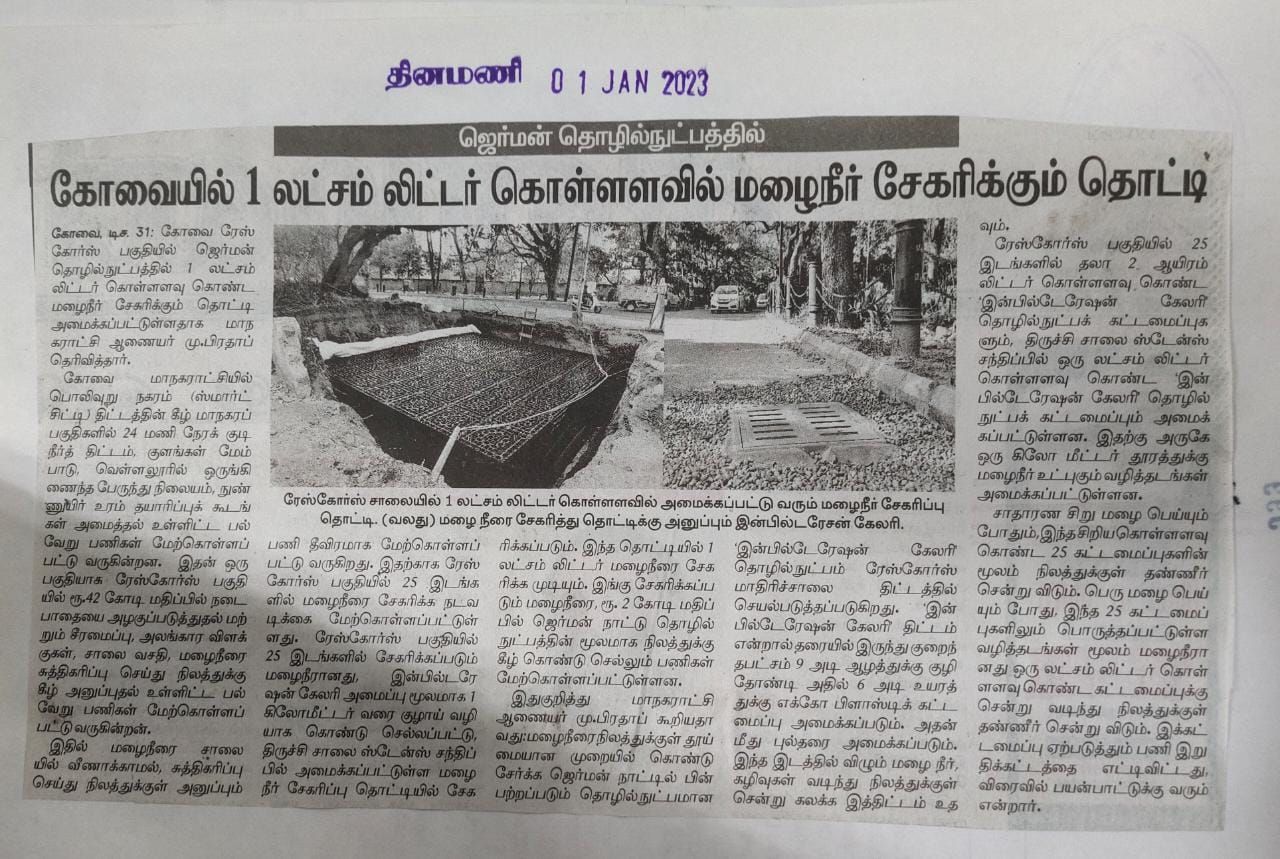
GCC Schools Get Underground Stormwater Recharge Systems

Contact Us
Join us to
Shape a Water secure future
We'd love to hear from you. Fill out the form and our team will get back to you within 24–48 hours.
Prefer a Direct Approach?
+91 82200 02200
Contact@stonehands.in